

River Gravel & Pebble Crushing Solutions
Technical Analysis: Mineralogy and Crushing Dynamics
-
Mineralogical Composition and Abrasivity
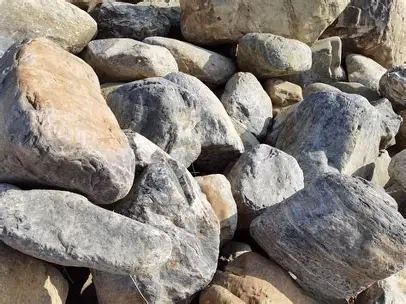
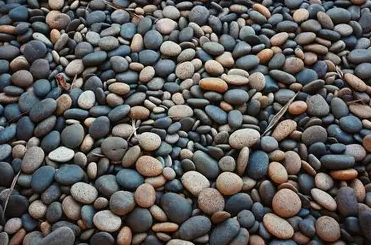
River gravel and pebbles are characterized by a high concentration of silica (SiO2), often exceeding 70% in typical river-borne deposits. According to the Mohs scale of mineral hardness, these materials frequently reach levels between 6 and 8, placing them among the most challenging natural aggregates for crushing equipment. The smooth, rounded morphology of river stones, resulting from centuries of hydraulic erosion, presents a significant mechanical challenge. Unlike angular blasted rock, pebbles tend to slip within the crushing chamber, leading to uneven wear patterns and increased friction on the contact surfaces of manganese liners.
-
Compressive Strength and Fragmentation Behavior
Industrial studies on aggregate processing confirm that river gravel possesses an exceptionally high Unconfined Compressive Strength (UCS), often surpassing 200 MPa. This structural integrity requires the crushing equipment to exert immense localized pressure to achieve fragmentation. During the secondary and tertiary crushing stages, the repetitive impact and high-pressure compression accelerate the consumption of standard wear parts. Therefore, selecting materials with a high work-hardening exponent is essential to maintain operational efficiency and minimize downtime in river stone processing plants.
-
Particle Shape Evolution and Crushing Efficiency
River gravel exhibits a naturally rounded morphology with low angularity. This physical characteristic directly affects inter-particle breakage efficiency. Energy transfer in compression-based systems relies heavily on particle-to-particle interaction. The smooth surface of pebbles reduces contact points during the crushing process. This reduction leads to lower interlocking forces and increased slippage within the crushing chamber. Such a phenomenon results in reduced effective crushing pressure and a higher circulating load in closed-circuit systems. Maintaining target gradation under these conditions requires precise control of the Closed Side Setting.
Abrasion Mechanism and High Silica Wear Behavior
Three-body abrasion driven by free-moving silica particles acts as the dominant wear mechanism in river gravel processing. The high quartz content initiates micro-cutting on manganese steel surfaces. Material loss occurs progressively before the surface achieves full work-hardening. This explains why the initial liner wear rate often appears high before the stabilization phase. Utilizing high manganese alloys like Mn18 or Mn22 helps mitigate this material loss. Proper feed gradation remains critical to accelerate the hardening process. The chamber design must ensure consistent material packing to protect the equipment.
Moisture Content and Operational Performance
Certain river deposits contain clay or moisture that significantly affects crushing performance. These elements cause material adhesion to the liners and reduce the effective crushing zone. Increased liner wear occurs due to uneven material flow across the contact surfaces. Pre-screening with washing systems provides a reliable solution for these conditions. Anti-clogging liner profiles help maintain a steady flow of material. Keeping the feed moisture below 5% ensures the highest screening efficiency in downstream processes.

Material Challenges
After analyzing the characteristics of crushed River Gravel & Pebbles materials, Duma summarizes the key challenges encountered during the crushing process as follows.
High Silica Abrasivity
River gravel contains silica concentrations exceeding 70% with a Mohs hardness between 6 and 8, which causes aggressive micro-cutting on crusher liners.
Extreme Structural Integrity
These materials possess an Unconfined Compressive Strength surpassing 200 MPa, necessitating immense localized pressure and high-impact energy to achieve fragmentation.
Morphological Slippage
The naturally rounded shape of pebbles reduces interlocking forces and contact points, leading to significant slippage and uneven wear within the crushing chamber.
Contaminant Interference
Clay and moisture in deposits cause material adhesion to liners, which disrupts even flow and reduces the effective crushing zone during operation.
Recommended Crushing Solution for River Gravel
Optimal processing of river gravel requires a strategic multi-stage approach to balance high abrasivity with production efficiency. Duma provides a complete range of wear parts engineered specifically for each stage of this demanding process.
1. Primary Crushing: Securing the Feed
The initial stage focuses on reducing large river stones into manageable sizes while preventing material slippage.
Equipment: Jaw Crusher.
Duma Product Solution: Jaw Crusher Fixed and Swing Jaw Plates with specialized anti-slip tooth designs.
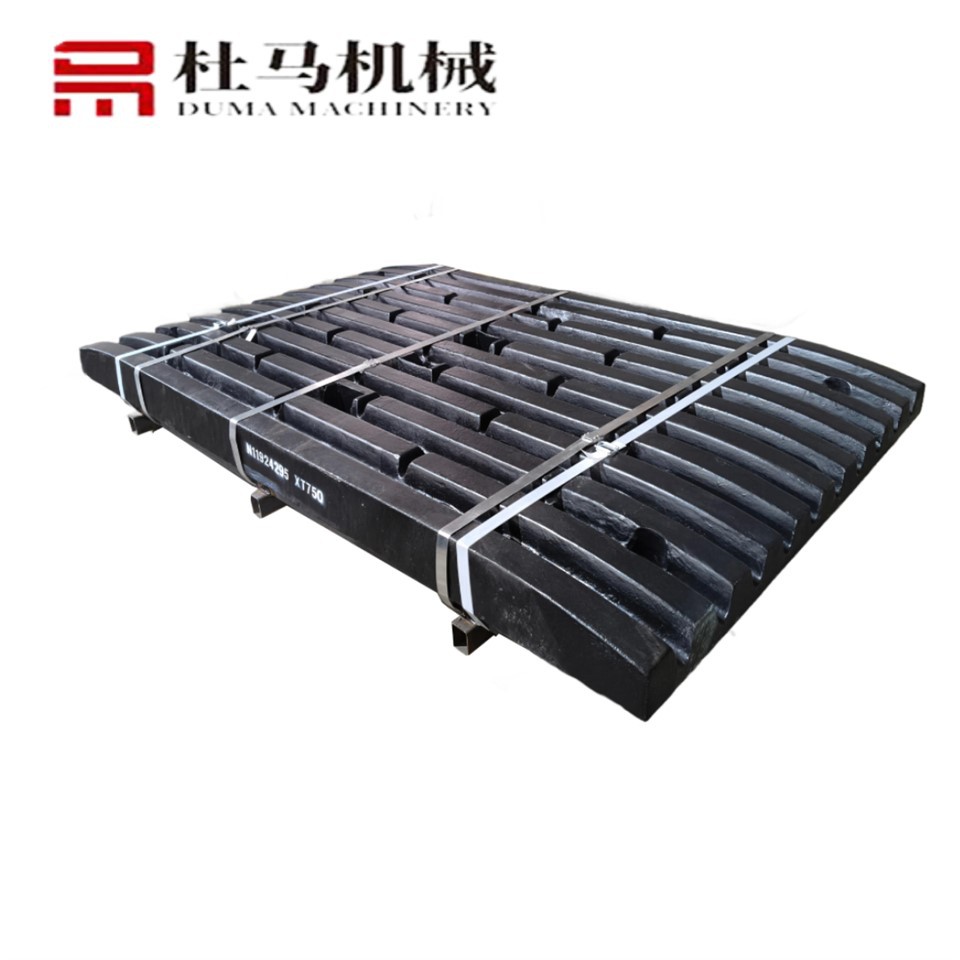


Material Strategy: These plates are cast from high manganese steel (Mn18) to provide the necessary toughness for crushing high-strength river stone. The custom tooth profiles increase the mechanical grip on rounded pebbles, which directly improves fragmentation efficiency and prevents premature wear caused by sliding.
View more Jaw Crusher Wear Parts
2. Secondary and Tertiary Crushing: Precision Reduction
The middle and final stages of reduction must handle the intense silica-driven abrasion while maintaining the desired product shape.
Equipment: Cone Crusher.
Duma Product Solution: Cone Crusher Mantle and Bowl Liners.


Material Strategy: Duma recommends Mn18 or Mn22 alloy grades for these components to ensure maximum service life. These liners undergo a controlled water toughening process to achieve a stable austenitic structure, which allows the surface to harden above HB500 under the constant impact of gravel. This self-hardening capability effectively resists the micro-cutting action of high-silica content.
View more Cone Crusher Wear Parts
3. Optional Shaping Stage: Fine Gradation
For projects requiring high-quality cubical aggregates, a vertical shaft impactor provides the final refinement.
Equipment: VSI (Vertical Shaft Impactor).
Duma Product Solution: Impact Crusher Wear Parts.


Material Strategy: Duma offers high-chrome or alloy-specific components that withstand the high-velocity impact of fine gravel particles. These parts ensure consistent output gradation and reduce the frequency of maintenance shutdowns in high-capacity plants.
View more Stone Impact Crusher Parts
Material Selection Guide
| Feature | Mn13 (Standard) | Mn18 (Enhanced) | Mn22 (High Impact) |
|---|---|---|---|
| Manganese Content | 11–14% Mn | 17–19% Mn | 21–24% Mn |
| Material Characteristics | High toughness, lower wear resistance | Balanced toughness and abrasion resistance | Maximum work-hardening capability |
| Work Hardening Behavior | Requires moderate impact to harden | Hardens efficiently under medium–high impact | Requires high impact energy for optimal hardening |
| Wear Resistance Mechanism | Limited surface hardening | Stable hardened layer formation | Deep and rapid strain hardening under heavy load |
| Best Operating Conditions | Low impact, low abrasion environments | Medium to high impact with moderate silica content | High impact + high abrasion (high SiO₂) conditions |
| Typical Applications | Light-duty crushing, non-abrasive rock | Standard choice for cone crusher liners in gravel | Heavy-duty cone crushers and high-load crushing zones |
| Limitations | Wears quickly in high-silica material | Higher cost than Mn13 | Inefficient if impact force is insufficient |
| Duma Engineering Recommendation | Use only in low-abrasion or cost-sensitive applications | Recommended baseline material for river gravel crushing | Use selectively in high-impact zones after condition evaluation |
Duma Manufacturing Excellence and Quality Assurance
Duma supports these solutions through a state-of-the-art facility covering over 42,000 m2. As a direct manufacturer, the factory maintains a comprehensive mold library with over 4,000 patterns to ensure a precise fit for global brands like Metso and Sandvik. Every component undergoes rigorous testing, including:
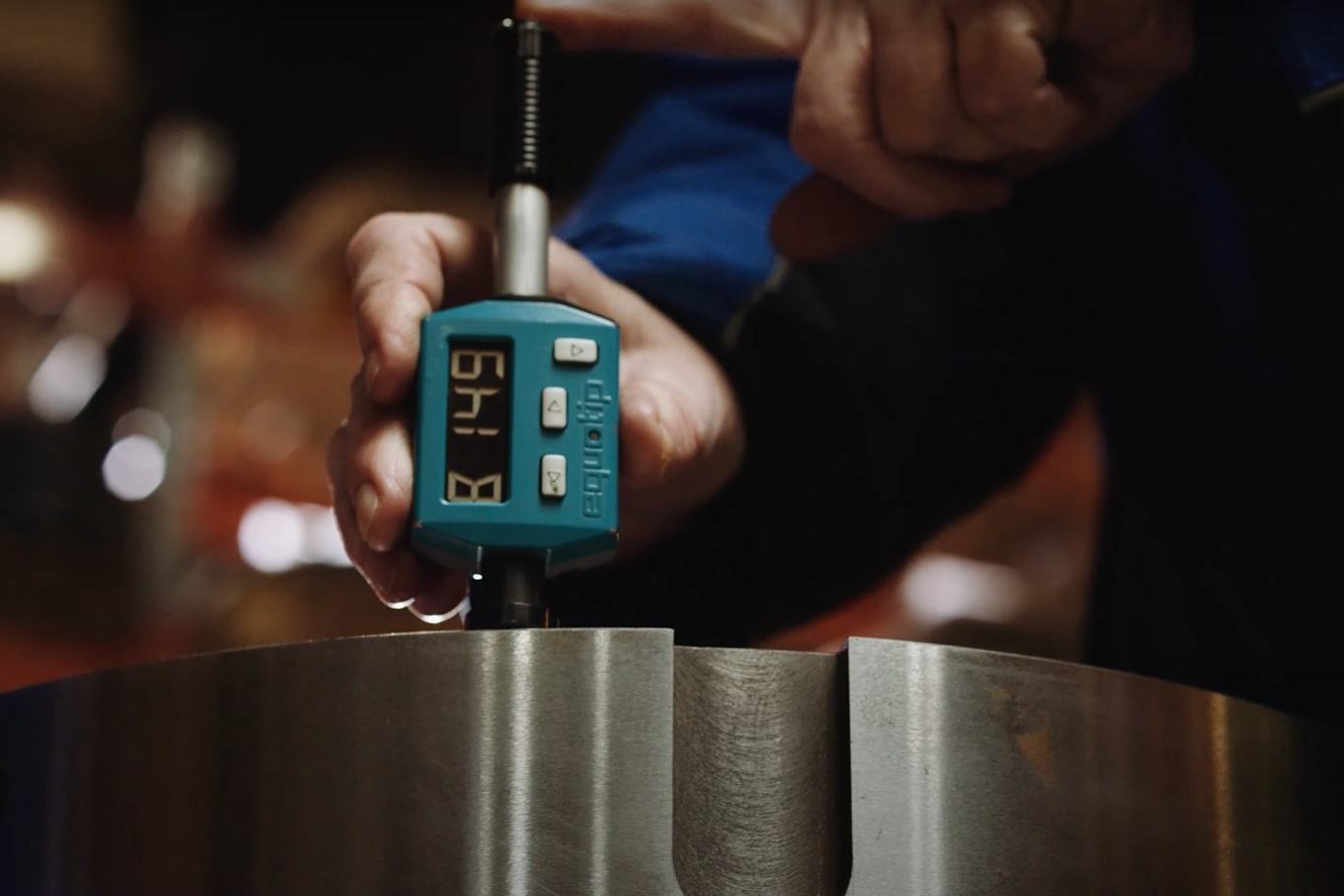
Dimensional Accuracy
Strict inspections guarantee that parts are ready for immediate installation without site modifications.
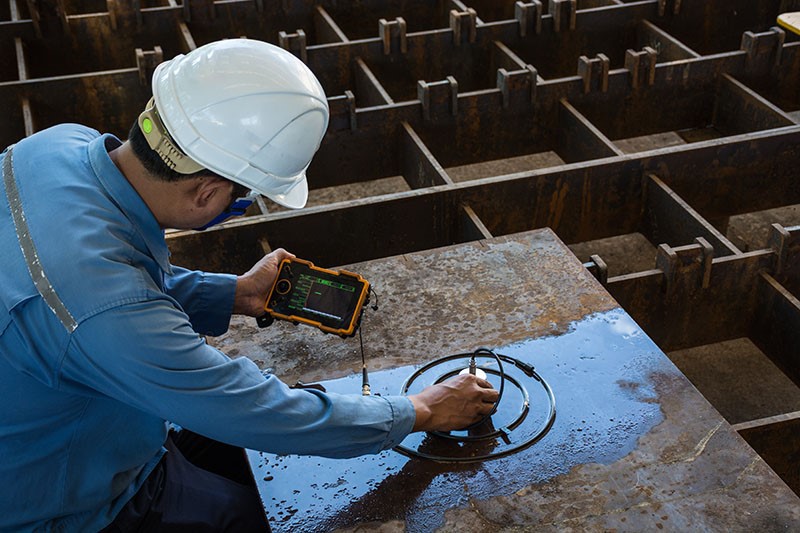
Metallographic Testing
High-magnification analysis ensures the absence of networked carbides, which prevents brittle failure during the processing of high-strength materials.
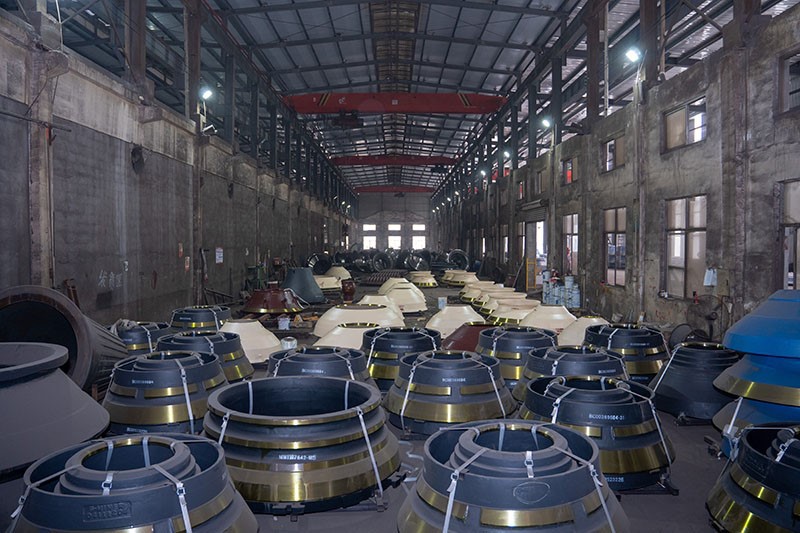
Traceability
Each batch includes detailed material reports and heat treatment curves to provide full technical transparency for mining operators.