




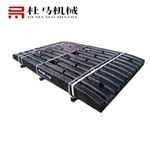


Cone Crusher Wear Parts
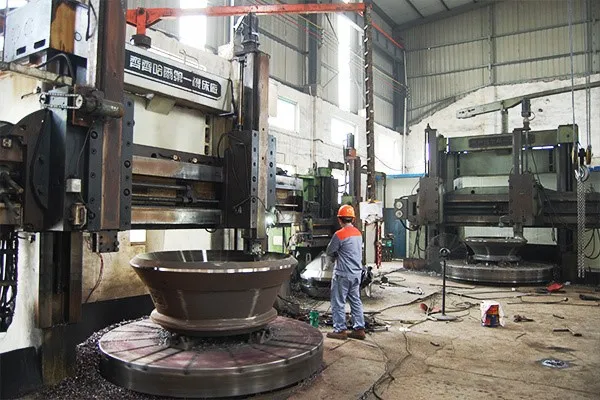
Cone Crusher Wear Parts Manufacturer & Supplier — Duma Machinery
Duma supplies cone crusher wear parts — Mantle Liners and Concave / Bowl Liners — direct from our 42,000 m² in-house foundry in Jiangxi, China. ISO 9001:2015 certified. Stock parts for HP200 / HP300 / HP400 / GP300 ship in 7–10 days; custom castings in 35–45 days. Trial orders accepted.
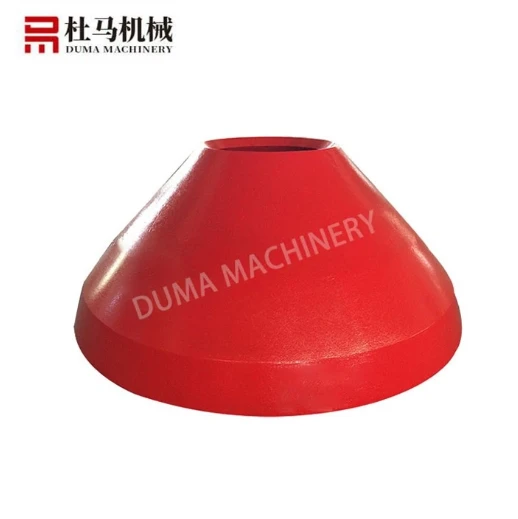
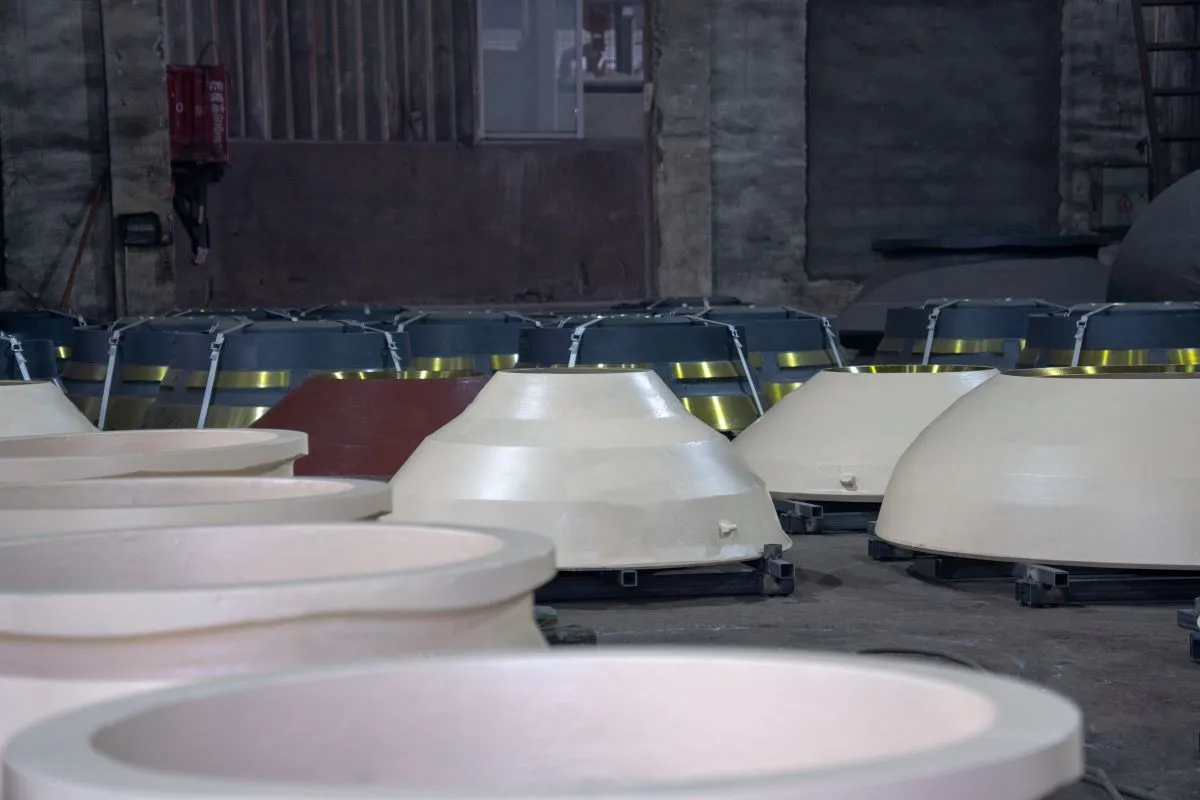
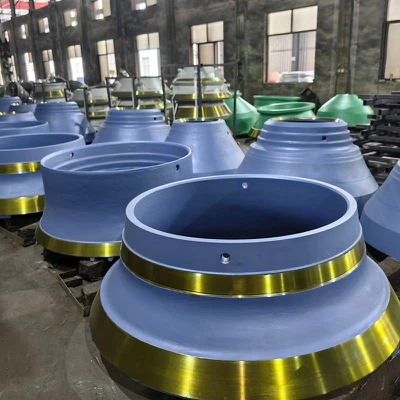
Movable wear liner covering the cone head. Fits Metso HP/GP series, Sandvik CH/CS series, and 4,000+ patterns on stock.
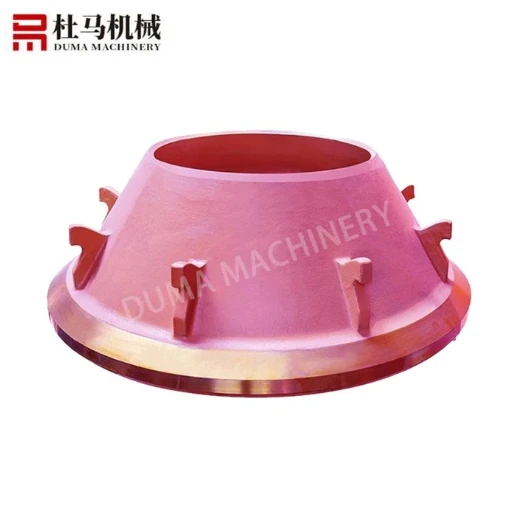
Fixed bowl-shaped liner forming the crushing chamber. Direct-fit replacements for Metso, Sandvik, Terex, Kleemann, and others.


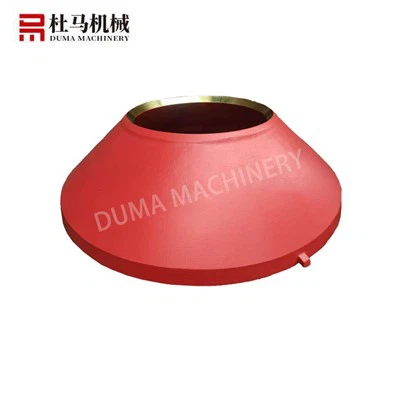
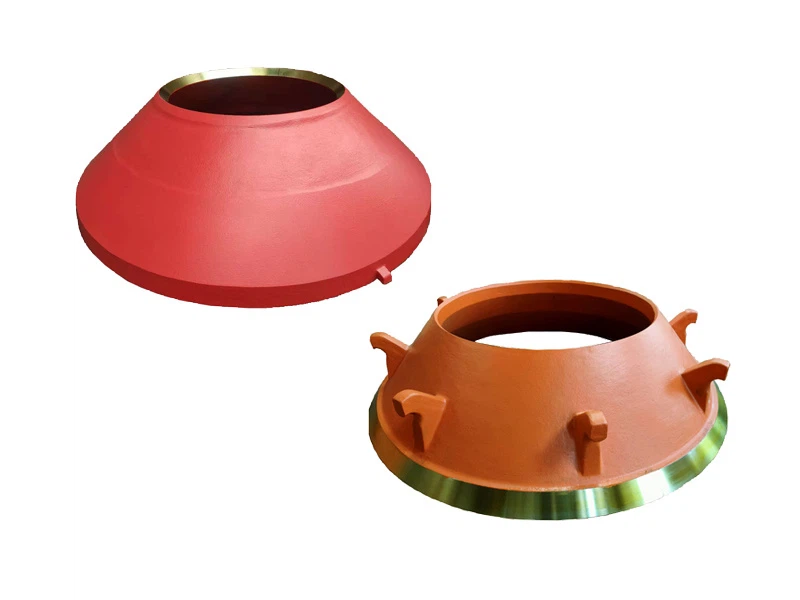
What are the Concave and Mantle?
The cone crusher concave and cone mantle are components of a cone crusher used for crushing materials such as rocks and ores. The concave is fixed, while the mantle moves along the axis of the concave.
Crusher Concave
The concave, also known as the bowl liner, is the fixed part of the cone crusher's crushing chamber. The cone crusher upper mantle protects the upper accessories of the machine.
Crusher Mantle
The mantle is the movable part of the cone crusher's crushing chamber. It covers the cone head and protects it from wear. It acts as a sacrificial wear resistant lining.
Mantle & Concave: Technical Guide for Buyers
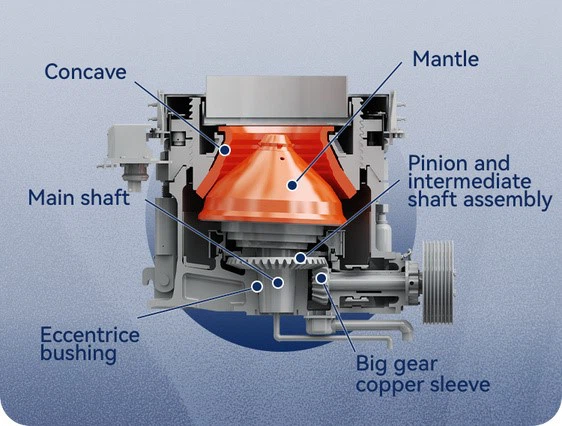
Working Principle of the Mantle and Concave
The mantle cone and concave are components of the cone crusher that work together to compress and crush materials. The mantle cone is a vibrating moving part, while the crusher concave is a stationary ring.
How it works
Fragile materials are fed into the cone crusher.
The cone crusher mantle moves in an eccentric motion, meaning it slightly oscillates as it rotates.
The moving cone compresses the material toward the bowl at the point where the gap is smallest.
The material is forced toward the bottom of the chamber.
As the material moves downward, it is repeatedly compressed and crushed.
Once the material is crushed to the desired size, it exits the crusher.
Material of the Fixed and Movable cone liner plate
The fixed cone liner plate and movable cone liner plate of a cone crusher are typically made from high-manganese steel, such as Mn13, Mn13Cr2, Mn18, Mn18Cr2, or Mn22Cr2, which is a material that can work-harden. They may also be made from other materials, such as modified high-manganese steel, manganese-chromium alloys, or advanced composite materials.
Surface Treatment
Galvanizing: The mantle and concave can be galvanized.
Polishing: The crusher concave and mantle can be polished.
Duma also supplies TiC insert mantles and concaves for extreme-abrasion applications. View TiC parts →
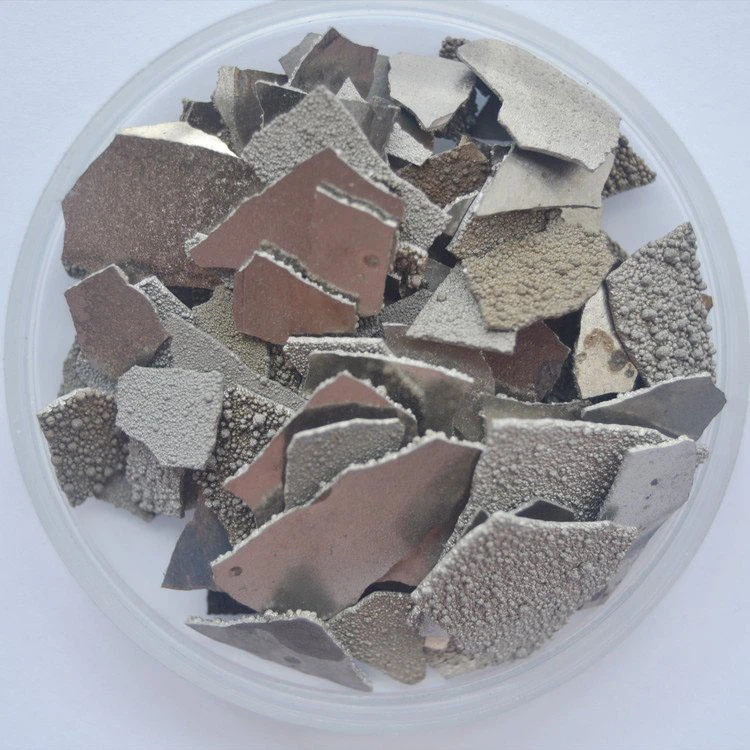
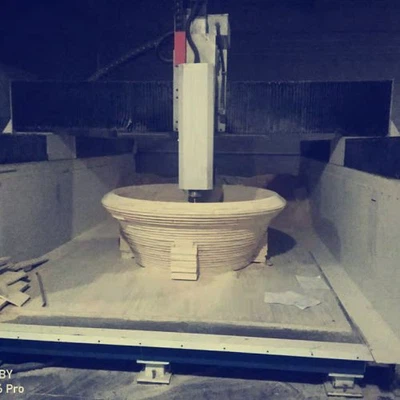
Production Process of the Mantle Concave
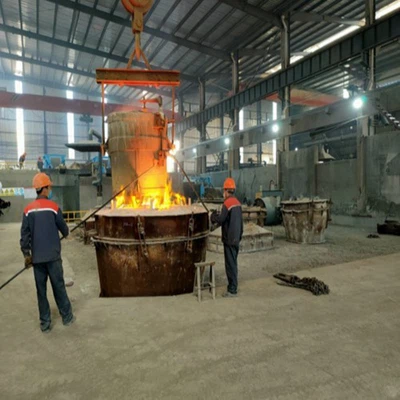
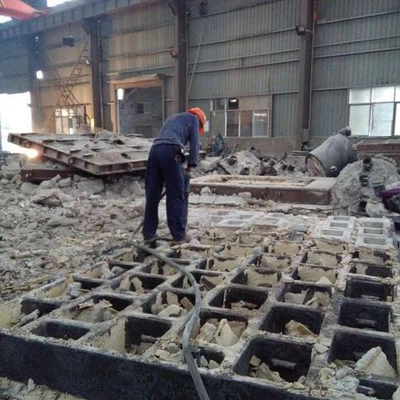
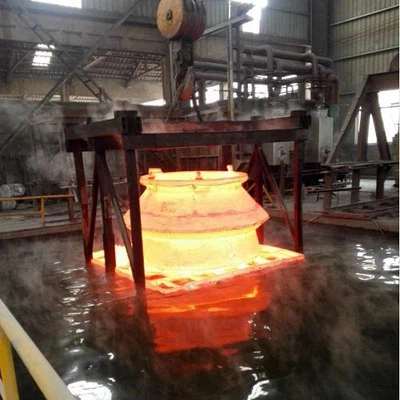
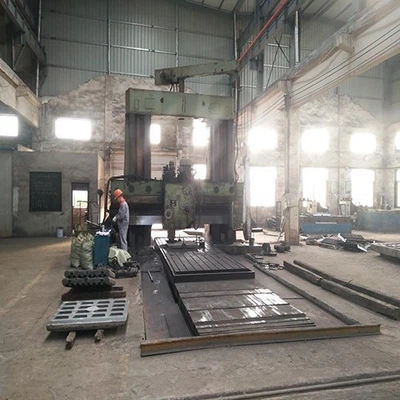
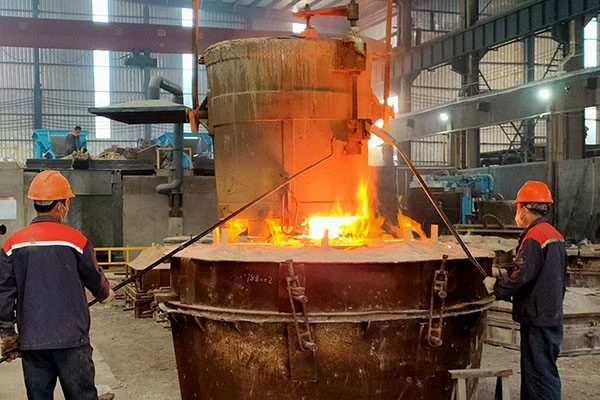
Cone crusher parts are widely used in various industries due to their high strength, good wear resistance, and durability. The production process of high manganese steel casting parts is complex and involves several stages. Below is a detailed description of the production process for manganese steel castings:


Application of Mantle and Bowl Liner
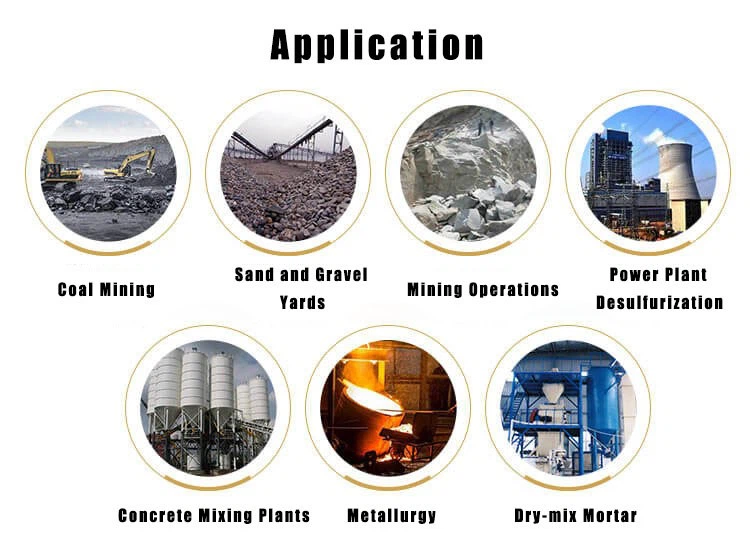
Application: Widely used in the mining industry, metallurgical industry, construction industry, chemical industry, and silicate industry for crushing hard and medium-hard ores and rocks, such as iron ore, limestone, copper ore, sandstone, etc.

Factors to Consider When Selecting a Concave Mantle
When choosing a concave mantle for cone crusher, factors such as feed material, eccentric throw, and closed-side setting (CSS) should be taken into consideration. These factors determine the product size, the rate at which material passes through the crusher, and energy consumption.
Feed Material
The size distribution of the raw material entering the crusher
The range of screens used to classify the feed
Sampling of the feed throughout the crushing process
Eccentric Throw
The distance the mantle moves away from the center of the crushing chamber
The speed at which material passes through the crusher
The range of motion of the high manganese cone mantles
Closed-Side Setting (CSS)
The narrowest gap between the cone crusher mantle liner and concave
The final crushing zone
The minimum possible product size output
Other Factors
Open-Side Setting (OSS), which is the maximum gap between the Cone Crusher Mantle&Concave
Machine reliability
Power consumption
Wear condition of the crushing chamber
Why choose Duma ?
Production Equipment
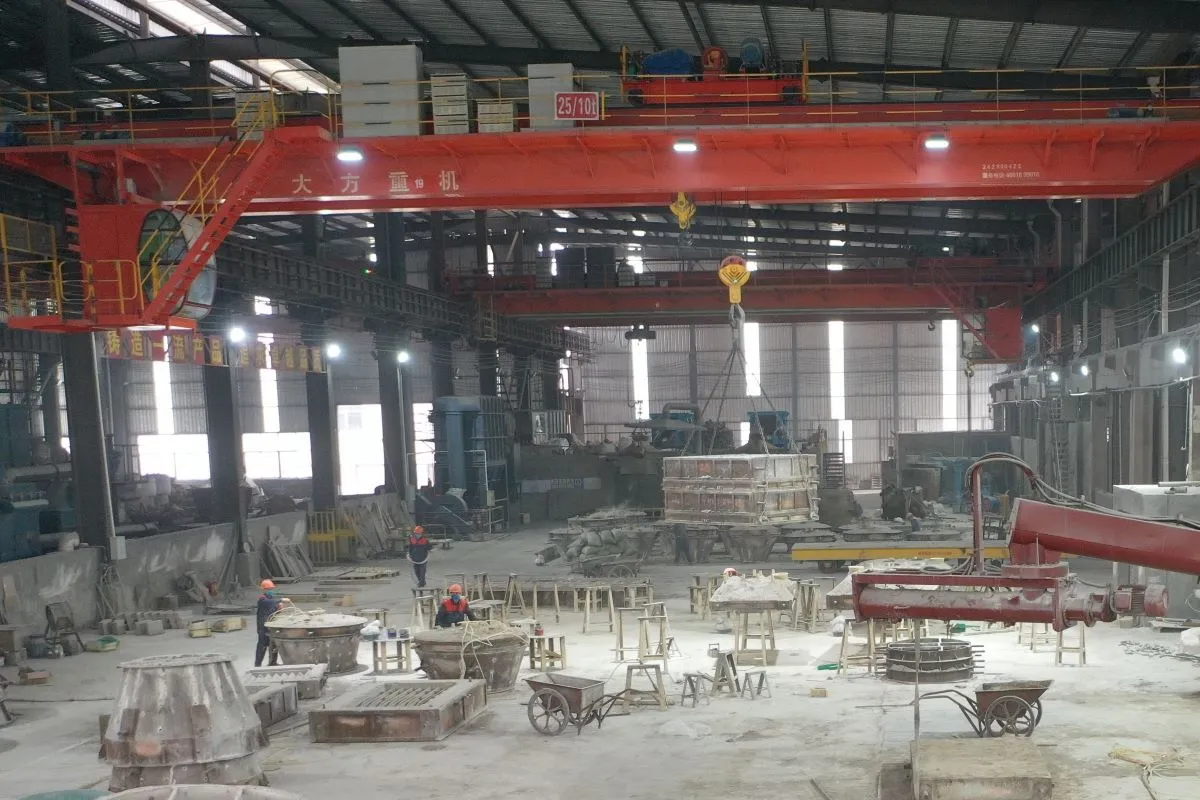
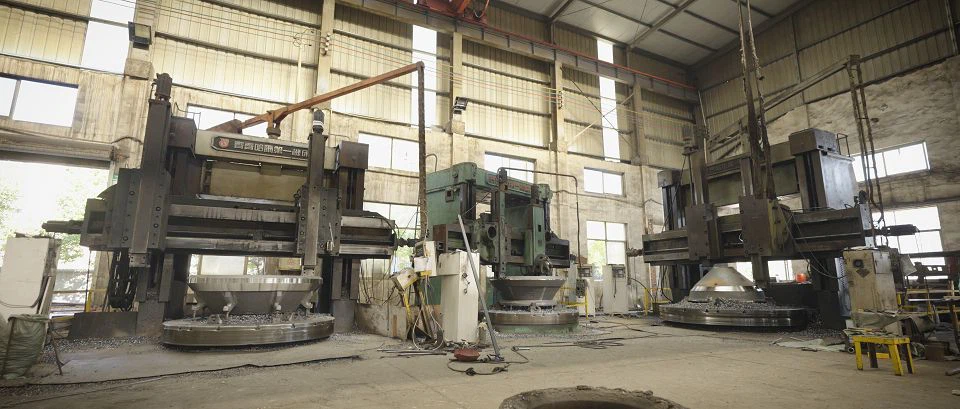
Equipment Configuration: 4 sets of 3-8 ton medium frequency furnaces, 4 sets of 10-20 ton natural gas furnaces, 20 lifting devices, shot blasting machines, hydraulic presses, CNC lathes, and other facilities.
Technical Processes: Water glass sand casting, lost foam casting, and other processes, with a complete set of machining equipment to ensure efficient product processing capabilities.
Products and Services
Crusher Wear Parts: The products supplied by the cone crusher wear parts supplier feature high specifications and excellent performance.
Service Objective: By providing high-quality stone cone crusher parts, we aim to reduce equipment failures, optimize production efficiency, minimize downtime, and enhance the business potential of our customers.
Supported Brands and Commitment
The cone crusher components cover brands such as Metso, Sandvik, Shanbao, Terex, Kleemann, Telsmith, Liming, and others.
We provide high-quality cone crusher wear parts to ensure the smooth operation of machines, reduce maintenance costs, and minimize downtime.
Advantages of OEM Cone Crusher Spare Parts Manufacturer

Professional R&D Team
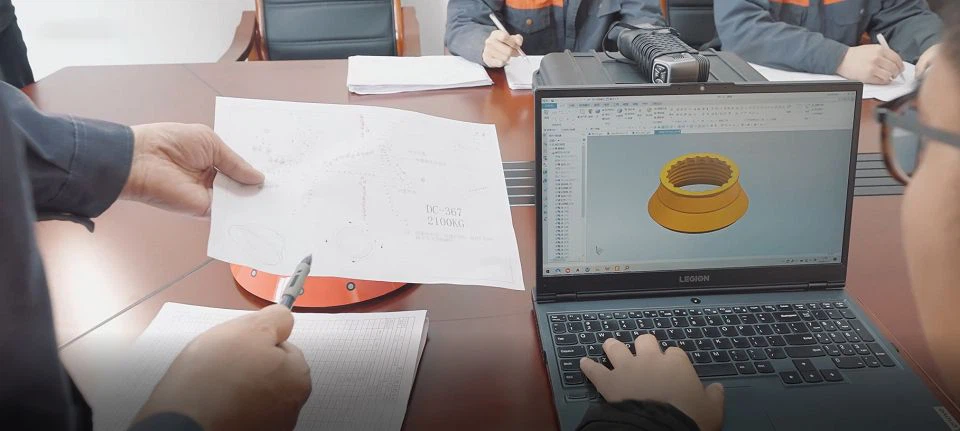
Approximately one-fifth of our employees are dedicated to research and development, with extensive knowledge in the field of china cone crusher parts. With advanced R&D and production equipment, our cone crusher liner changes are designed to meet market demands.
Advanced Workshop
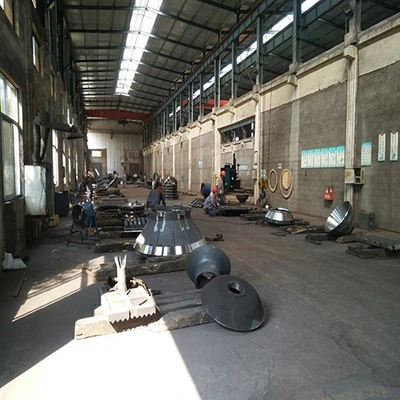
The bright and organized production workshop is equipped to handle various processes, including board making, molding, casting, cleaning, and heat treatment, ensuring orderliness and efficiency throughout the operations.
Customized Solutions
Our professional technical team leverages years of industry experience to provide personalized (OEM/ODM) wear parts solutions, customize products, and offer services tailored to customer needs.
Reliable Product Quality
Our factory's cone crusher replacement parts are ISO 9001 certified, ensuring high reliability. We continuously research and develop new technologies and products to provide convenience for our customers.

Our Certificate

ISO 9001 Certification

ISO 45001 Certification

ISO 14001 Certification
Our Factory
Production
Inspection
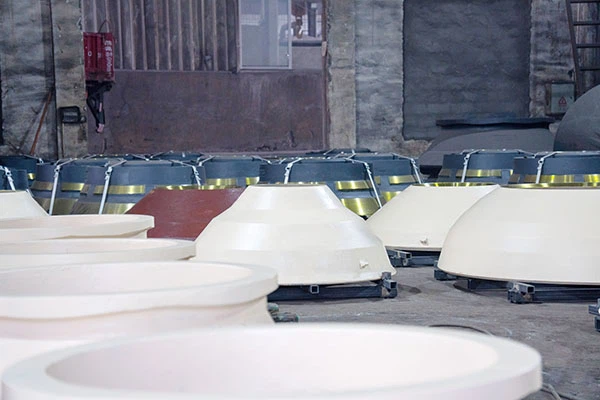
Products
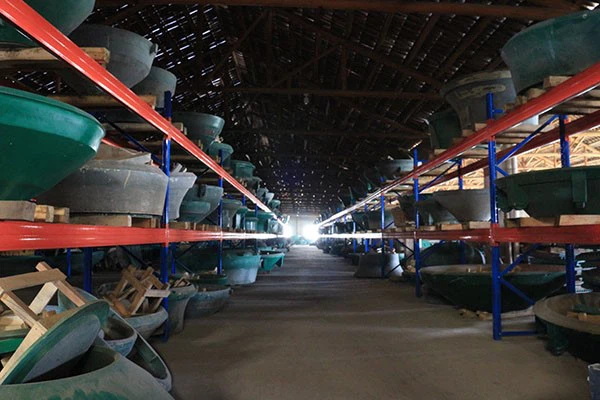
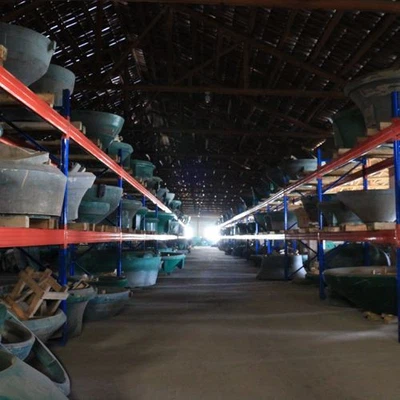
Warehouse
fAQ
Q: What crusher brands do your cone wear parts fit?
A: We supply direct-fit replacements for Metso (HP200, HP300, HP400, GP300, GP500), Sandvik (CH420, CH430, CH440, CH660, CS420, CS430), Terex, Kleemann, Telsmith, Shanbao, and Liming. Over 4,000 patterns on file — confirm your model and we verify fit before order.
Q: What manganese grades do you offer, and how do I choose?
A: Standard grades are Mn13, Mn13Cr2, Mn18, Mn18Cr2, and Mn22Cr2. For high-impact, softer rock: Mn13 or Mn18. For extreme abrasion or hard rock: Mn22 or TiC insert liners. Share your ore type and we recommend the right grade.
Q: Do you offer TiC insert mantles and concaves?
A: Yes. TiC (titanium carbide) insert liners are available for extreme-abrasion applications where standard manganese grades wear too fast. Lead time and pricing depend on size — contact us with your crusher model.
Q: What is your lead time?
A: Stock parts (HP200, HP300, HP400, GP300 standard profiles) ship within 7–10 days. Custom castings typically take 35–45 days from drawing confirmation.
Q: Do you accept trial or small orders?
A: Yes. We accept small trial orders for quality verification before committing to bulk supply.
Q: Can you produce parts from drawings or worn samples?
A: Yes. We support both drawing-based OEM production and reverse engineering from worn samples. Our engineering team can also take measurements if no drawings are available.
Q: What documentation comes with each order?
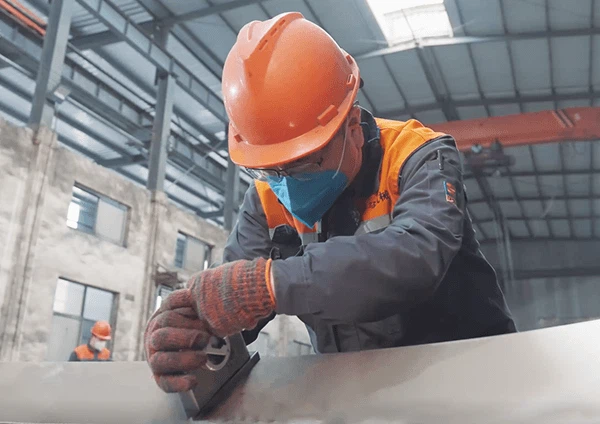
A: Every batch ships with a material certificate, dimensional inspection report, heat treatment curve, and metallographic report. Full traceability by batch.
Q: How do I confirm the part will fit my crusher without buying first?
A: Send us your crusher model, serial number, and any reference part numbers. We cross-reference against our pattern library and confirm fit in writing before you place the order.
Q: How do I choose the right liner profile (coarse / medium / fine)?
A: Profile selection depends on your feed size, closed-side setting (CSS), and target output gradation. Share your feed specs and we recommend the correct cavity profile.
Q: How do I avoid rapid wear or early liner failure?
A: Main causes are incorrect CSS, oversized feed, uneven feed distribution, and iron contamination. Ensure feed is within the crusher's rated size, maintain consistent choke feeding, and remove tramp metal upstream.
Q: How do I minimize downtime when replacing liners?
A: Key steps: cool new copper bushings with dry ice before installation (do not hammer), clean all mating surfaces, verify CSS after installation, and bed-in at reduced load for the first few hours. Avoid mixing new and worn components in the same chamber.
Q: What is the HS code for cone crusher wear parts?
A: The standard HS code is 84749000, covering parts of machinery for working mineral substances.
Q: What is your MOQ for bulk orders?
A: No fixed MOQ for standard parts. For custom profiles, MOQ depends on pattern tooling cost — we will advise at quotation stage.
Q: Are you a trading company or a factory?
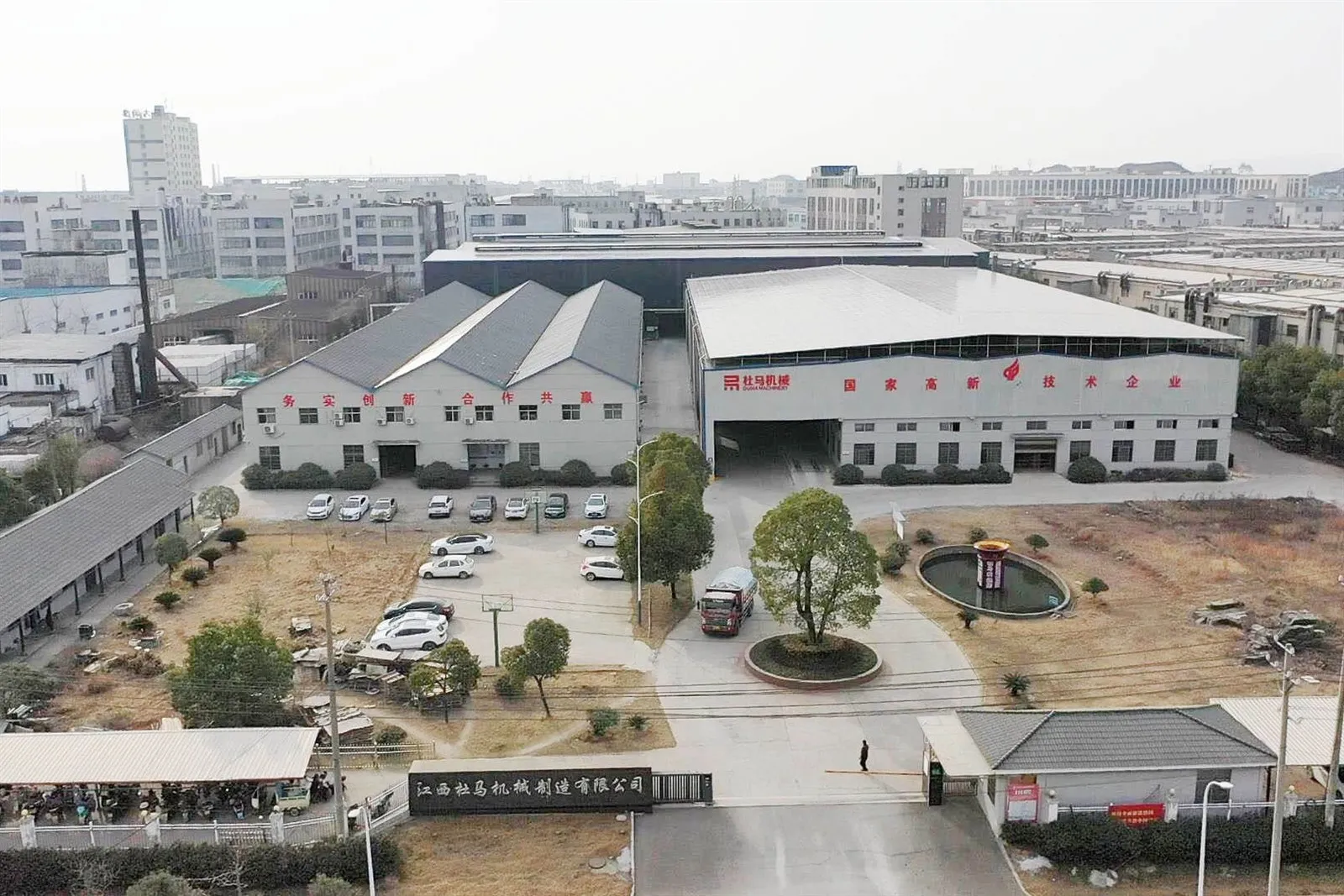
A: Direct factory. We operate a 42,000 m² in-house facility covering casting, heat treatment, machining, and inspection. No third-party production.
Q: How quickly can you respond to a quote request?
A: Within 24 hours on business days. Provide your crusher model, part name, quantity, and any drawings or photos for the fastest response.