


Cone crushers are important equipment used for medium and fine crushing in industries such as mining and building materials. They are widely applied due to their high crushing efficiency and uniform output particle size. However, because they operate under high-intensity and heavy-load conditions for long periods, and due to factors such as improper operation, inadequate maintenance, or changes in material properties, various types of faults are likely to occur. Since there are many types of faults, how should we inspect and resolve these problems?
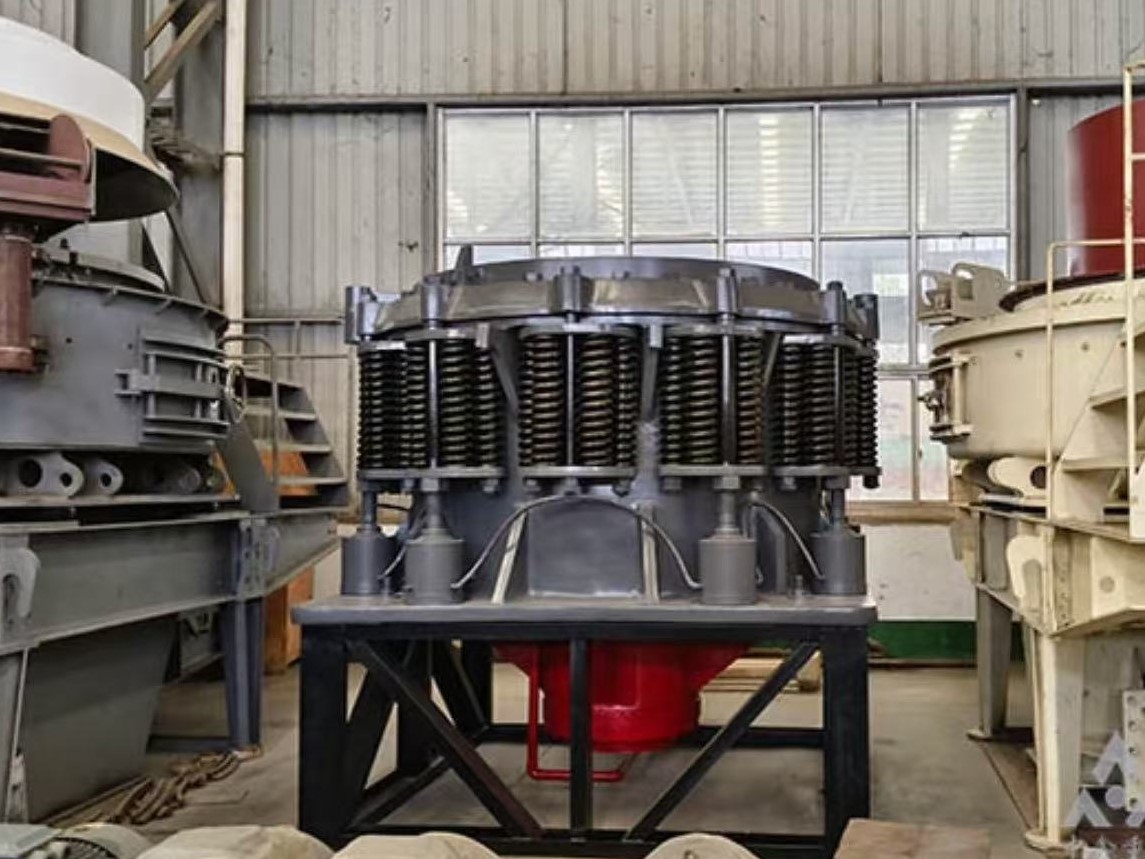
cone crusher
Abnormal Equipment Vibration
This is one of the most common faults. It is typically characterized by severe machine shaking and unusual noises. The causes may include uneven feeding, metal objects entering the crusher, loose bolts, or worn or loose liners.
To address this issue, we need to check whether metal objects have entered the machine, ensure uniform material feeding, tighten the bolts, and inspect the liners. If the liners are severely worn, they should be replaced in time.
Crushing Chamber Blockage
This is also a common issue. During operation, the machine may produce a muffled sound, material may overflow from the feed opening, and the current may rise sharply. In severe cases, the equipment will automatically shut down, and a large amount of uncrushed or partially crushed material can be seen accumulated inside the chamber.
Possible causes include excessive feeding beyond the machine's design capacity, oversized materials entering the crusher, high moisture content (greater than 15%), or sticky materials (such as ores with high clay content), which can agglomerate and block the discharge opening. Additionally, failure to adjust the discharge opening according to material hardness and crushing requirements can slow down discharge speed, leading to material buildup. Severe wear of the cone crusher mantle and concave liners can also reduce crushing efficiency and indirectly cause blockage.
In such cases, the machine should be stopped immediately for cleaning. Control the feeding rate, adjust the discharge opening, inspect the liners, and avoid feeding wet materials in the future.
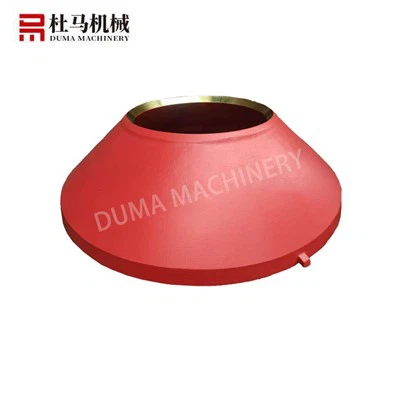
DUMA Cone Crusher Parts Mantle
Excessive Bearing Temperature
In this situation, the temperature of the main shaft bearing rises rapidly, exceeding 60°C (normal operating temperature is 30–50°C). The bearing housing feels hot to the touch, and in severe cases, the temperature exceeds 80°C, triggering an alarm shutdown. A burnt smell may be emitted, and the lubricating oil may overheat and deteriorate.
Possible causes include insufficient or excessive lubrication, which prevents proper heat dissipation, use of unsuitable or degraded lubricants, bearing damage (such as wear, corrosion, or cage failure), improper installation (excessive interference fit or loose fit), and insufficient cooling (blocked cooling system, inadequate water flow, or high water temperature above 35°C).
The solution is to stop the machine immediately and cool it down. Turn off the main motor, open the bearing cover, and use compressed air to cool the bearing or wipe the housing with cold water (avoid water entering the bearing). Clean old grease, check oil quality, and replace it if necessary. Maintain the lubrication level at about half of the bearing cavity. Disassemble and inspect the bearing; replace it if damaged.
Abnormal Current
The motor current may continuously exceed the rated value, and the motor casing temperature may rise above 70°C, accompanied by overload noise. In severe cases, the protection device will trip, and the motor cannot be restarted, which may lead to motor burnout.
Possible causes include excessive load due to overfeeding, blockage inside the crushing chamber, power supply issues such as low voltage or phase imbalance, or motor faults such as insulation aging, short circuits, or broken rotor bars.
The solution is to immediately cut off the power supply, reduce the feed rate, and clear any blockage in the chamber. Check whether the cone crusher mantle is jammed and adjust the discharge opening if necessary.Inspect the power supply using a multimeter and ensure proper voltage and phase balance. Repair the motor by checking insulation and rotor condition. Adjust the feed rate so that the current remains at 80%–90% of the rated value to avoid prolonged overload operation.
Oil Leakage
Oil stains may appear at the bottom of the crusher, and the oil level may continuously decrease. This issue is usually not serious and may be caused by improper installation or aging seals.
The solution is to replace the sealing rings and tighten all connections.
In fact, most cone crusher faults are not difficult to resolve. In daily operation, it's important to keep the feeding steady, pay attention to the size and type of material, and replace the liners regularly. It's also best not to run the machine non-stop for long periods.Good maintenance really comes down to careful operation and consistent habits, which can help extend the crusher's service life.
If you have any questions or are interested in replacing or learning about cone crusher mantle price, please feel free to contact us. We will do our best to answer your questions and provide you with the best service!


