

When it comes to rock crushing applications, whether dry or wet, the choice of jaw plates plays a crucial role in the efficiency and performance of the crusher. As a leading supplier of jaw plates for rock crushers, I've witnessed firsthand the diverse requirements and challenges that come with these different crushing environments. In this blog, I'll delve into the differences between jaw plates used in dry and wet rock crushing applications, and how understanding these distinctions can help you make the right choice for your operations.
1. Wear Mechanisms in Dry and Wet Crushing
In dry rock crushing, the wear on jaw plates is primarily caused by abrasion and impact. As rocks are crushed between the moving and fixed jaw plates, the hard particles in the rock rub against the surface of the jaw plates, gradually wearing them down. Impact forces also come into play when large rocks are broken into smaller pieces, which can cause chipping and cracking on the jaw plate surface.
On the other hand, wet rock crushing introduces an additional factor: corrosion. The presence of water can accelerate the corrosion process, especially if the water contains chemicals or minerals that are corrosive. In addition to abrasion and impact, the jaw plates in wet crushing applications are also subject to corrosion - induced wear, which can significantly reduce their lifespan.
2. Material Selection for Dry and Wet Crushing
Dry Crushing
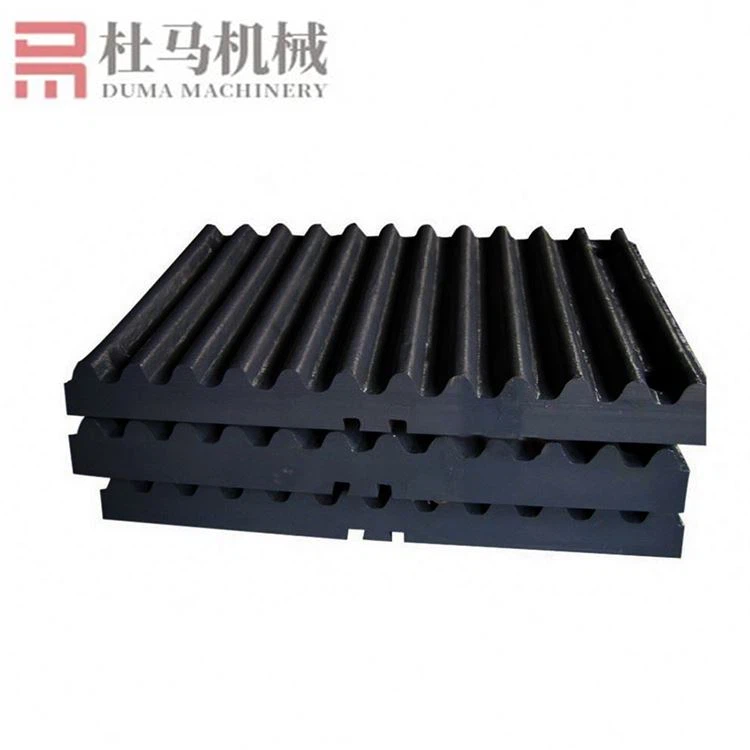
For dry rock crushing, high - manganese steel is a popular choice for jaw plates. High - manganese steel, such as the High Manganese Jaw Crusher Parts, has excellent work - hardening properties. When subjected to impact and abrasion, the surface of the high - manganese steel hardens, forming a wear - resistant layer that can withstand the harsh conditions of dry crushing. This material is particularly suitable for crushing hard and abrasive rocks, as it can maintain its integrity and performance over a relatively long period.
Wet Crushing
In wet crushing applications, a more corrosion - resistant material is often required. While high - manganese steel can still be used, it may need to be treated or alloyed with other elements to enhance its corrosion resistance. Some manufacturers offer specialized jaw plates made from stainless steel or other corrosion - resistant alloys for wet crushing. These materials can better withstand the corrosive effects of water and chemicals, ensuring a longer service life for the jaw plates. For example, our Mn18 For Mobile Jaw Crusher can be customized with corrosion - resistant treatments for wet crushing scenarios.
3. Design Considerations for Dry and Wet Crushing
Dry Crushing
The design of jaw plates for dry crushing focuses on maximizing the crushing efficiency and wear resistance. The shape of the jaw plates is carefully engineered to ensure proper rock fragmentation and to minimize the amount of uncrushed material. Sharp teeth or serrations on the jaw plates can increase the biting force and improve the crushing performance. Additionally, the thickness and profile of the jaw plates are designed to withstand the high impact and abrasion forces in dry crushing.
Wet Crushing
In wet crushing, the design of the jaw plates needs to take into account the flow of water and the prevention of clogging. Smooth surfaces and well - designed channels can help the water and crushed material flow freely through the crusher, reducing the risk of blockages. The shape of the jaw plates may also be adjusted to optimize the crushing process in the presence of water, ensuring that the rocks are effectively broken down without causing excessive wear or corrosion.
4. Performance and Maintenance in Dry and Wet Crushing
Dry Crushing
Jaw plates in dry crushing applications generally have a relatively stable performance as long as the operating conditions are within the design parameters. However, regular inspection and maintenance are still necessary to monitor the wear of the jaw plates. When the wear reaches a certain level, the jaw plates need to be replaced to maintain the crushing efficiency. In dry crushing, the replacement process is usually straightforward, as there is no need to deal with the additional complications of water and corrosion.
Wet Crushing
The performance of jaw plates in wet crushing can be more variable due to the combined effects of abrasion, impact, and corrosion. Maintenance in wet crushing is more challenging, as the jaw plates need to be inspected for both wear and corrosion. Special cleaning procedures may be required to remove any debris or corrosion products from the surface of the jaw plates. In some cases, the jaw plates may need to be coated or treated regularly to protect them from corrosion.
5. Cost - Effectiveness in Dry and Wet Crushing
Dry Crushing
In dry crushing, the cost - effectiveness of jaw plates is mainly determined by their wear resistance and service life. High - quality high - manganese steel jaw plates may have a higher initial cost, but their long service life can result in lower overall costs in the long run. Since the wear mechanisms in dry crushing are relatively straightforward, the cost of maintenance and replacement can be more accurately predicted.

Wet Crushing
In wet crushing, the cost - effectiveness calculation is more complex. The initial cost of corrosion - resistant jaw plates may be higher than that of standard high - manganese steel jaw plates. However, the reduced frequency of replacement due to corrosion - induced wear can offset the higher initial cost. Additionally, the cost of maintenance, including cleaning and corrosion protection, needs to be considered when evaluating the cost - effectiveness of jaw plates in wet crushing applications.
Conclusion
In summary, there are significant differences in jaw plates for dry and wet rock crushing applications. From material selection and design considerations to performance, maintenance, and cost - effectiveness, each aspect needs to be carefully evaluated to ensure the optimal performance of the rock crusher. As a supplier of Jaw Plate Jaw Fixed Jaw Crusher, we understand the unique requirements of both dry and wet crushing environments. We offer a wide range of jaw plates made from different materials and with various designs to meet the specific needs of our customers.
If you're in the market for jaw plates for your rock crusher, whether for dry or wet crushing applications, we'd love to have a discussion with you. Our team of experts can provide you with detailed information and guidance to help you make the best choice for your operations. Contact us today to start the procurement negotiation process and find the perfect jaw plates for your rock - crushing needs.
References
- "Rock Crushing Technology Handbook", published by an industry - leading research institute.
- Technical papers on wear and corrosion in rock crushers from well - known academic journals.


