

Hey there! As a supplier of Jaw Crusher Wear Plates, I often get asked about how to ensure the safety of operators when replacing these wear plates. It's a crucial topic because jaw crushers are widely used in the mining, construction, and recycling industries, and replacing wear plates is a routine maintenance task. But it can also be dangerous if not done correctly. So, let's dive into some key steps and tips to keep those operators safe.
Pre - replacement Preparations
First things first, before you even think about replacing the wear plates, you've got to do a thorough inspection. Check the crusher for any signs of damage or wear that could pose a risk during the replacement process. Look at the frame, the bolts, and the hydraulic system if it's a hydraulic - powered jaw crusher. A damaged frame could collapse during the replacement, and loose bolts can cause parts to shift unexpectedly.
It's also essential to gather all the necessary tools and equipment. You'll need things like wrenches, hoists, and safety gear. Make sure the tools are in good working condition. A faulty wrench can slip and cause injuries, and a hoist that isn't properly maintained could drop the wear plate on an operator.
Communication is key here. Let all the relevant personnel know that the wear plate replacement is about to take place. This includes other operators in the area, maintenance staff, and supervisors. Everyone should be aware of the work so that they can take appropriate precautions.
Shutting Down the Crusher
Before you start any work on the crusher, you must shut it down properly. Follow the manufacturer's instructions for shutting off the power supply. This usually involves turning off the main switch and locking it out to prevent anyone from accidentally restarting the crusher while the replacement is underway.

It's also a good idea to relieve any hydraulic pressure in the system. High - pressure hydraulic lines can burst if not properly depressurized, causing serious injuries. Once the pressure is relieved, tag the hydraulic valves to indicate that they should not be operated.
Removing the Old Wear Plates
When it's time to remove the old wear plates, start by loosening the bolts that hold them in place. Use the right size of wrench to avoid stripping the bolts. If the bolts are rusted or stuck, you might need to use a penetrating oil to loosen them.
Be careful when lifting the old wear plates out. They can be heavy and awkward to handle. Use a hoist or a lifting device to lift them safely. Make sure the lifting points on the wear plate are secure and that the hoist is rated for the weight of the plate. If you're working with a large jaw crusher, you might need multiple operators to guide the plate out safely.
Installing the New Wear Plates
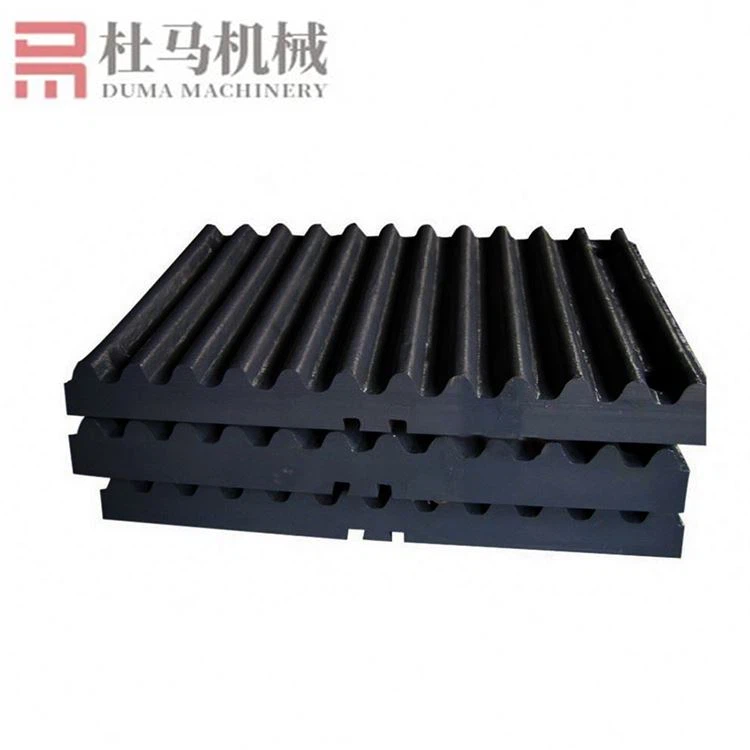
Now, let's talk about installing the new wear plates. We offer a variety of high - quality wear plates, such as Mn18 For Mobile Jaw Crusher, Jaw Crusher Parts Swing Jaw Plate, and High Manganese Jaw Crusher Parts. These plates are designed to fit your jaw crusher perfectly and provide long - lasting performance.
Before installing the new plates, clean the mounting surface on the crusher. Any dirt, debris, or old gasket material can prevent the plate from sitting properly and cause uneven wear. Make sure the new wear plate is the correct size and type for your crusher.
Use a hoist to lower the new wear plate into place. Align it carefully with the mounting holes and start inserting the bolts. Tighten the bolts gradually in a criss - cross pattern to ensure even pressure distribution. Don't over - tighten the bolts, as this can cause the plate to crack or warp.
Post - installation Checks
Once the new wear plates are installed, do a final check. Make sure all the bolts are tightened to the correct torque specification. Check for any signs of misalignment or damage.
Before restarting the crusher, remove all the tools and equipment from the area. Make sure the crusher is clear of any debris or loose parts. Then, follow the manufacturer's instructions to restart the crusher.
Safety Gear and Training
Throughout the entire process, operators should wear appropriate safety gear. This includes hard hats, safety glasses, gloves, and steel - toed boots. Hard hats protect the head from falling objects, safety glasses prevent debris from getting into the eyes, gloves provide a better grip and protect the hands, and steel - toed boots safeguard the feet from heavy objects.
Proper training is also crucial. Operators should be trained on how to safely replace wear plates. They should know the correct procedures, the potential hazards, and how to use the tools and equipment. Regular training sessions can help keep the operators up - to - date on the latest safety practices.
Conclusion
Ensuring the safety of operators when replacing jaw crusher wear plates is a multi - step process. It starts with proper preparations, includes careful shutdown and replacement procedures, and ends with thorough post - installation checks. By following these steps, using the right safety gear, and providing adequate training, you can minimize the risk of accidents and keep your operators safe.
If you're in the market for high - quality jaw crusher wear plates, we've got you covered. Our Mn18 For Mobile Jaw Crusher, Jaw Crusher Parts Swing Jaw Plate, and High Manganese Jaw Crusher Parts are designed to meet your needs. Contact us to discuss your requirements and start a procurement negotiation. We're here to help you get the best products for your jaw crushers.
References
- Manufacturer's manuals for jaw crushers
- Occupational Safety and Health Administration (OSHA) guidelines for machinery maintenance
- Industry best practices for jaw crusher wear plate replacement


