

Crusher jaws are crucial components in crushing equipment, playing a significant role in the primary crushing process. As a supplier of replacement crusher jaws, I understand the importance of their service life for both equipment efficiency and cost - effectiveness. In this blog, I will share some practical ways to improve the service life of replacement crusher jaws.
1. Select the Right Material
The material of crusher jaws is the foundation for their service life. High - quality materials can withstand high - impact loads and abrasion, which are common in the crushing process.
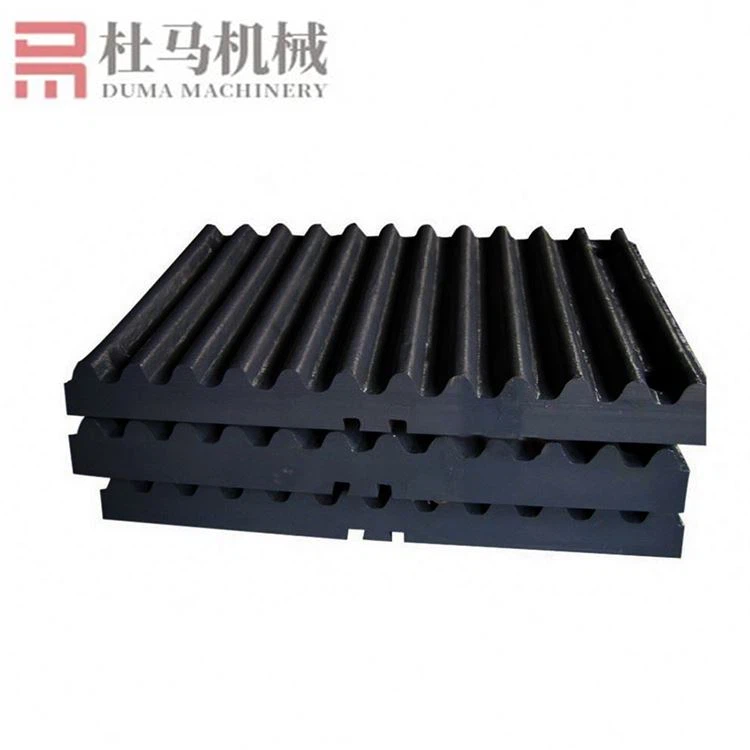
High Manganese steel is a popular choice for crusher jaws. It has excellent work - hardening properties, which means that as it is subjected to impact and pressure during the crushing process, its surface hardness increases, enhancing its wear resistance. Our High Manganese Jaw Crusher Parts are made of top - grade high manganese steel, ensuring long - term performance in various crushing applications.
Some applications may also benefit from alloy steels. Alloy steels can be customized with different alloying elements to achieve specific properties such as high strength, toughness, and wear resistance. By understanding the specific requirements of the crushing operation, such as the type of material to be crushed, the size of the feed, and the crushing ratio, we can recommend the most suitable material for the replacement crusher jaws.
2. Proper Installation
Proper installation of crusher jaws is essential to ensure their normal operation and extend their service life. Here are some key points to note during the installation process:
- Alignment: The crusher jaws must be accurately aligned. Misalignment can cause uneven wear on the jaws, leading to premature failure. Before installation, carefully check the alignment of the jaw seat and the crusher frame. Use appropriate measuring tools to ensure that the jaws are installed parallel to each other and perpendicular to the crushing chamber.
- Tightening: All bolts and fasteners should be tightened to the specified torque. Loose bolts can cause the jaws to vibrate during operation, which not only affects the crushing performance but also accelerates the wear of the jaws. Follow the manufacturer's instructions for tightening torque values and use a calibrated torque wrench to ensure accurate tightening.
- Clearance Adjustment: Adjust the clearance between the movable jaw and the fixed jaw according to the required particle size of the crushed product. An appropriate clearance can ensure efficient crushing and reduce unnecessary wear on the jaws. If the clearance is too small, it may cause excessive pressure on the jaws, leading to breakage; if the clearance is too large, the crushing efficiency will be reduced, and the product quality may not meet the requirements.
3. Regular Maintenance
Regular maintenance is an effective way to extend the service life of replacement crusher jaws. Here are some maintenance tasks that should be carried out regularly:
- Inspection: Regularly inspect the crusher jaws for signs of wear, cracks, or damage. Check the surface of the jaws for any abnormal wear patterns, such as uneven wear, grooves, or chipping. If any problems are found, take timely measures to repair or replace the jaws.
- Cleaning: Keep the crusher jaws clean to prevent the accumulation of dust, debris, and other contaminants. These contaminants can act as abrasives, accelerating the wear of the jaws. Use compressed air or a cleaning brush to remove dust and debris from the jaws regularly.
- Lubrication: If the crusher jaws are equipped with lubrication points, ensure that they are properly lubricated. Lubrication can reduce friction between moving parts, prevent wear, and improve the overall performance of the crusher. Use the recommended lubricant and follow the lubrication schedule provided by the manufacturer.
4. Optimize the Crushing Process
The way the crusher is operated and the characteristics of the material being crushed can also have a significant impact on the service life of the crusher jaws.
- Feed Material: Ensure that the feed material is within the specified size and hardness range of the crusher. Feeding oversized or extremely hard materials can cause excessive stress on the jaws, leading to premature wear or damage. Use a pre - screening device to remove oversized particles before feeding the material into the crusher.
- Feed Rate: Control the feed rate to avoid overloading the crusher. An excessive feed rate can cause the crusher to jam, resulting in uneven wear on the jaws and potential damage to the equipment. Adjust the feed rate according to the crusher's capacity and the characteristics of the material being crushed.
- Crushing Ratio: Optimize the crushing ratio to reduce the wear on the crusher jaws. A high crushing ratio means that the material is subjected to more crushing forces, which can increase the wear on the jaws. By adjusting the crusher settings or using multiple - stage crushing, the crushing ratio can be optimized to achieve a balance between crushing efficiency and jaw wear.
5. Monitor and Analyze Performance
Monitoring the performance of the crusher jaws during operation can help detect potential problems early and take preventive measures. Here are some monitoring methods:

- Wear Monitoring: Use wear - monitoring devices or techniques to measure the wear of the crusher jaws. This can be done by directly measuring the thickness of the jaws at regular intervals or using non - contact measurement methods such as ultrasonic thickness gauges. By tracking the wear rate, we can predict when the jaws need to be replaced and plan for maintenance in advance.
- Vibration Monitoring: Excessive vibration during crusher operation can indicate problems such as misalignment, loose parts, or uneven wear on the jaws. Install vibration sensors on the crusher and monitor the vibration levels. If abnormal vibration is detected, stop the crusher immediately and conduct a thorough inspection to identify and resolve the problem.
- Analysis of Crushing Products: Analyze the size, shape, and quality of the crushed products. Changes in the crushing product characteristics may indicate problems with the crusher jaws, such as excessive wear or damage. By regularly analyzing the crushing products, we can adjust the crusher settings or replace the jaws in a timely manner to ensure the quality of the final product.
6. Training and Operator Awareness
The awareness and skills of the operators also play an important role in extending the service life of replacement crusher jaws. Provide comprehensive training to the operators on the proper operation, maintenance, and safety procedures of the crusher.
- Operation Training: Train the operators on how to start and stop the crusher correctly, adjust the feed rate and clearance, and monitor the operation parameters. Proper operation can reduce the stress on the crusher jaws and improve their service life.
- Maintenance Training: Teach the operators about the importance of regular maintenance and how to perform basic maintenance tasks such as inspection, cleaning, and lubrication. By involving the operators in the maintenance process, they can detect potential problems early and report them in a timely manner.
- Safety Awareness: Emphasize the importance of safety during the operation and maintenance of the crusher. Safety - conscious operators are more likely to follow the correct procedures, which can prevent accidents and protect the crusher jaws from damage.
In conclusion, improving the service life of replacement crusher jaws requires a comprehensive approach that includes selecting the right material, proper installation, regular maintenance, optimizing the crushing process, monitoring performance, and training the operators. As a supplier of Jaw Crusher Parts Fixed Jaw Plate and Wearing Spare Parts Jaw Plates, we are committed to providing high - quality products and professional technical support to help our customers achieve the best performance and longest service life of their crusher jaws.
If you are interested in our replacement crusher jaws or need more information on how to improve their service life, please feel free to contact us for procurement and further discussion. We look forward to working with you to meet your crushing needs.
References
- "Crushing Technology Handbook", Published by ABC Publishing House
- "Materials Science for Mining Equipment", Journal of Mining Materials Research
- Manufacturer's manuals for crusher equipment and replacement jaws


