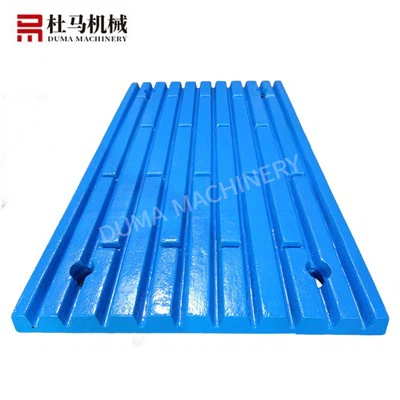
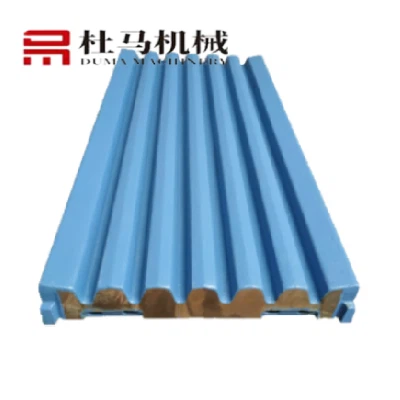
As a trusted supplier of Jaw Plates for Crushers, I've witnessed firsthand the pivotal role that proper installation plays in the performance and longevity of crushing equipment. A well - installed jaw plate can enhance efficiency, reduce downtime, and save on maintenance costs. In this blog post, I'll guide you through the correct process of installing a jaw plate for a crusher, sharing insights and best practices that I've gathered over the years in the industry.

Pre - installation Preparation
Before you even start to install the jaw plate, thorough preparation is essential. First, ensure that you have all the necessary tools at hand. This typically includes a torque wrench, a jack, a set of wrenches, and a pry bar. The right tools will make the installation process smoother and help prevent damage to the jaw plate or the crusher.
Inspect the new jaw plate carefully for any signs of damage or defects. As a supplier, we take great care in manufacturing high - quality jaw plates, but it's still a good practice to double - check. Look for cracks, uneven surfaces, or any other irregularities that could affect its performance.
Next, clean the mating surfaces of the crusher where the jaw plate will be installed. Remove any dirt, debris, or old material that could prevent a proper fit. Use a wire brush or a suitable cleaning solvent to get the surfaces clean and smooth.
Removing the Old Jaw Plate
If you're replacing an existing jaw plate, the first step is to remove the old one. Start by shutting down the crusher and locking out the power source to prevent any accidental startup. This is a critical safety measure that should never be skipped.
Locate the bolts or other fasteners that are holding the old jaw plate in place. Using the appropriate wrenches, carefully loosen and remove these fasteners. In some cases, the bolts may be rusted or stuck, so you may need to apply some penetrating oil and let it sit for a while to make the removal easier.
Once the fasteners are removed, use a pry bar to gently separate the old jaw plate from the crusher. Be careful not to damage the crusher frame or any other components during this process. Lift the old jaw plate out of the crusher and set it aside.
Installing the New Jaw Plate
Now it's time to install the new jaw plate. Begin by carefully positioning the jaw plate in the crusher. Make sure it aligns correctly with the mating surfaces and the mounting holes. You may need to use a jack to lift the jaw plate into place if it's heavy.
Insert the bolts or fasteners through the holes in the jaw plate and the crusher frame. Tighten the fasteners by hand initially to ensure that the jaw plate is properly seated. Then, use a torque wrench to tighten the bolts to the manufacturer's recommended torque specifications. Over - tightening or under - tightening the bolts can lead to problems such as premature wear or even failure of the jaw plate.
For some crushers, you may also need to install shims or spacers between the jaw plate and the crusher frame to achieve the correct alignment and clearance. Refer to the crusher's manual for specific instructions on how to use these components.
Checking and Testing
After the jaw plate is installed, it's crucial to perform a thorough check. Inspect the installation to ensure that the jaw plate is securely fastened and properly aligned. Check for any gaps or misalignments that could cause issues during operation.
Once the visual inspection is complete, it's time to test the crusher. Start the crusher and let it run for a short period at a low speed. Listen for any unusual noises or vibrations that could indicate a problem with the installation. If you notice any issues, stop the crusher immediately and re - check the installation.
Maintenance and Long - term Considerations
Proper installation is just the beginning. To ensure the long - term performance of the jaw plate, regular maintenance is essential. This includes periodic inspections of the jaw plate for wear, checking the tightness of the bolts, and cleaning the crusher regularly.
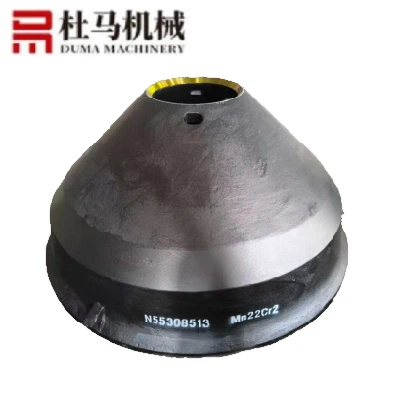
As a supplier of jaw plates, we offer a wide range of products to meet different crusher models and applications. For example, our C160 Wear Part is designed to provide excellent wear resistance and durability in high - impact crushing operations. Our swing jaw plate is engineered to withstand the rigors of continuous use, and our Jaw Crusher Liners are available in various materials and designs to suit your specific needs.
In conclusion, installing a jaw plate correctly for a crusher is a multi - step process that requires careful preparation, attention to detail, and proper testing. By following these guidelines, you can ensure that your crusher operates efficiently and reliably for years to come. If you have any questions about installing jaw plates or if you're interested in purchasing high - quality jaw plates for your crusher, don't hesitate to reach out to us. We're here to help you find the best solutions for your crushing needs and support you throughout the entire process.

References
- Manufacturer's manuals of various crushers.
- Industry standards and best practices for crusher maintenance and installation.