


If you have ever stood near a cone crusher while it is working, you probably don't need much explanation about the noise. It is the kind of sound you feel in your chest as much as you hear with your ears. In most crushing plants, this is completely normal, but it is still something operators and site managers pay close attention to.
So what exactly is the noise level of a cone crusher, and what makes it change from site to site?
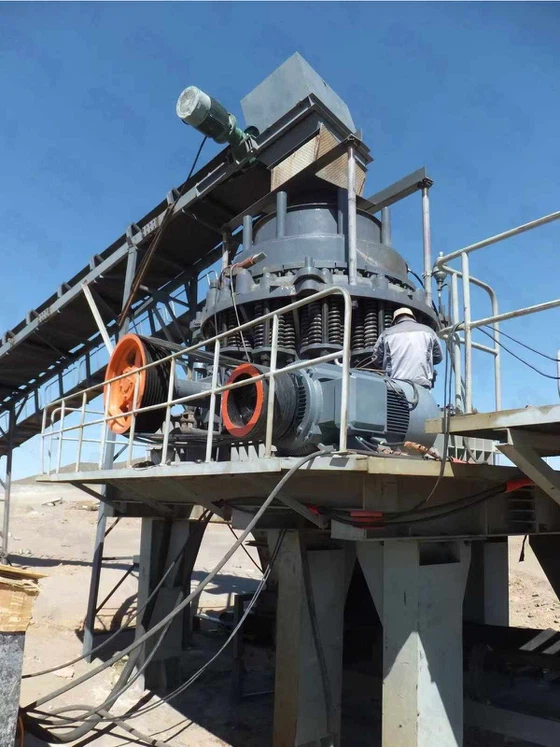
Workers are operating a cone crusher
Typical Noise Range in Real Operation
In real working conditions, a cone crusher usually produces around 85 to 110 decibels of noise.
At the lower end of this range, the sound is similar to heavy traffic on a busy road. As the machine works harder, especially when processing tough rock, the noise can rise to levels close to construction equipment like jackhammers or rock drills.
When everything is running at full load and close range, it can feel even more intense than the number suggests. That is why hearing protection is always part of the working environment around crushing equipment.
Where Does the Noise Come From?
The noise does not come from just one point. It is actually a mix of several processes happening at the same time inside and around the machine.
Crushing Action Inside the Chamber
The main source of noise is the crushing process itself. Rock is squeezed between the mantle and the concave until it breaks. Every time the material fractures, energy is released, and part of it becomes sound.
Harder rock produces sharper noise. Larger feed sizes also increase the impact sound inside the chamber.
The condition of the cone crusher mantle plays a very important role here. When the surface is in good condition, the crushing force stays even and the sound remains relatively steady. When the mantle wears unevenly, the crushing action becomes unstable, and the noise often becomes rougher and more noticeable.
Mechanical Movement of the Crusher
Inside the machine, the mantle moves in a circular motion driven by an eccentric mechanism. This continuous movement creates a steady mechanical sound.
When the machine is properly maintained, the sound is smooth and consistent. If lubrication is not sufficient or if components start to loosen, the sound becomes less stable and more metallic.
Vibration Through the Structure
A cone crusher does not only make noise through air. It also creates vibration that travels through the steel frame and foundation.
If the installation is solid and well designed, much of this vibration is absorbed. If not, the surrounding structure can amplify the vibration, making the overall noise feel louder than it actually is.
This is one reason why two identical machines can sound very different depending on how and where they are installed.
Material Flow Around the System
Noise also comes from the supporting process. Material dropping into the crusher, moving through the crushing chamber, and falling onto conveyors all contribute to the total sound level.
In many plants, these supporting sounds blend together with the crusher itself, creating a constant background noise that is hard to separate.
What Makes the Noise Higher or Lower?
The noise level of a cone crusher can vary quite a bit depending on real operating conditions. A few practical factors are easy to notice on site.
Type of Material Being Processed
Hard and abrasive materials naturally produce more noise. Granite and basalt are good examples. Softer materials usually result in slightly lower sound levels, but the difference is not always dramatic in real operation.
Condition of Wear Parts
Wear condition has a direct impact on both performance and noise.
If the cone crusher mantle is worn unevenly, the crushing force becomes inconsistent. That leads to extra vibration and a rougher sound during operation. In many cases, operators can actually hear when the mantle is reaching the end of its service life.
Operating Style
How the machine is fed matters more than many people expect. A steady and controlled feed keeps the crushing process stable. If material is dumped in unevenly or in large bursts, the machine responds with sudden impact noise.
Stable operation usually sounds smoother, even if the workload is the same.
Installation Conditions
Outdoor setups tend to disperse sound more naturally. Indoor installations often reflect sound off walls and structures, which can make the noise feel stronger and more concentrated.
Some plants use sound barriers or enclosures, but they need to be designed carefully so they do not affect cooling or maintenance access.
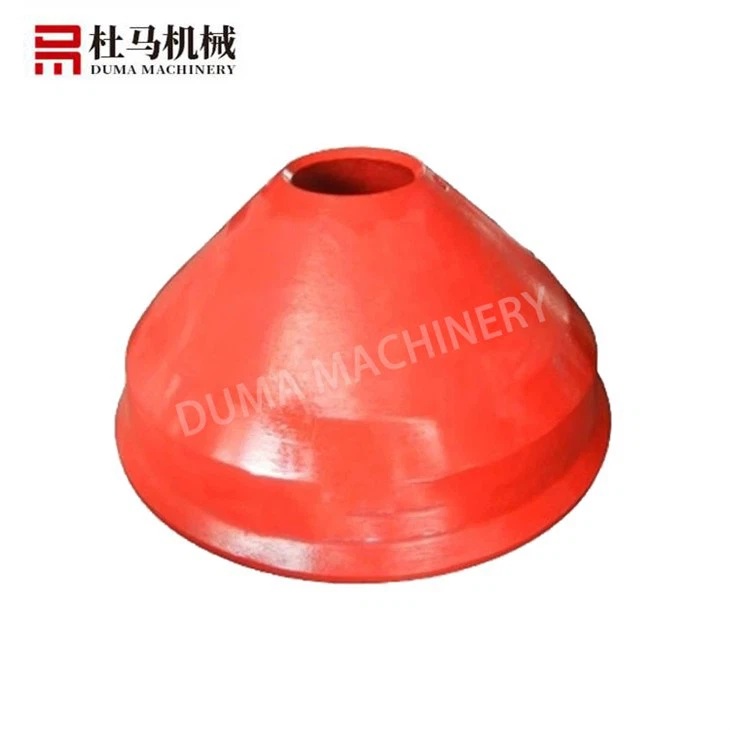
DUMA cone crusher mantle
Why Noise Level Should Not Be Ignored
Noise is often treated as something normal in crushing work, but it still has real effects.
Impact on People Working Nearby
Long exposure to high noise levels can cause hearing damage over time. It also affects concentration and can make long shifts more tiring than they need to be.
That is why ear protection is always part of standard practice in these environments.
Impact on Site Operation
In some locations, especially those closer to residential areas, noise can become a serious operational concern. It can lead to restrictions or complaints if not properly managed.
Keeping noise under control is not just about comfort, it also helps keep operations stable in the long term.
How Noise Can Be Managed in Practice
A cone crusher will never be a quiet machine, but the noise can definitely be controlled and kept stable.
Regular Maintenance and Part Replacement
One of the most effective ways to manage noise is simple maintenance.
Replacing worn components at the right time helps keep the machine running evenly. A proper cone crusher mantle change is especially important because it restores balanced crushing conditions. When the chamber works evenly, the noise naturally becomes more stable and less harsh.
Using Good Quality Wear Parts
A well manufactured cone crusher mantle helps maintain consistent crushing force over time. This reduces irregular movement inside the chamber and helps avoid sudden changes in noise during operation.
Good wear parts do not just improve performance, they also make the machine sound more stable.
Reducing Vibration Transfer
Adding vibration damping materials under the machine or at structural contact points can reduce how much vibration spreads through the plant.
Less vibration usually means less overall noise in the surrounding area.
Keeping Feed Conditions Stable
A steady feed is one of the simplest ways to keep noise under control. When material enters the crusher in a controlled way, the crushing process stays balanced and avoids sudden impact noise.
Proper Lubrication and Alignment
Small mechanical details matter more than people think. Good lubrication reduces friction, and correct alignment keeps the movement smooth. Both help reduce unnecessary mechanical sound.
Final Thoughts
The noise level of a cone crusher usually falls between 85 and 110 decibels, depending on how it is used and maintained. That range is normal for this kind of heavy equipment.
What really matters in daily operation is not just how loud it is, but how stable the sound is. A steady and even noise usually means the machine is running in good condition. Sudden changes in sound often signal wear or imbalance.
In practice, experienced operators often rely on the sound of the machine as a quick reference. When everything is working properly, the noise feels consistent. When something is wrong, the sound usually changes before anything else becomes visible.


