Hey there! As a supplier of jaw plates for rock crushers, I often get asked if there are any industry standards for their quality control. Well, let's dive right into this topic and break it down.
First off, why is quality control so important for jaw plates? Rock crushers are used in some pretty tough environments, like mining, construction, and quarrying. The jaw plates are the key parts that actually do the crushing work. They have to withstand a ton of pressure, impact, and abrasion. If the quality isn't up to par, they'll wear out quickly, which means more downtime for the crusher, more money spent on replacements, and less productivity overall.
So, are there industry standards? The answer is yes and no. There isn't a single, one - size - fits - all global standard that every manufacturer has to follow. But there are some common practices and guidelines that most reputable suppliers adhere to.
Material Standards
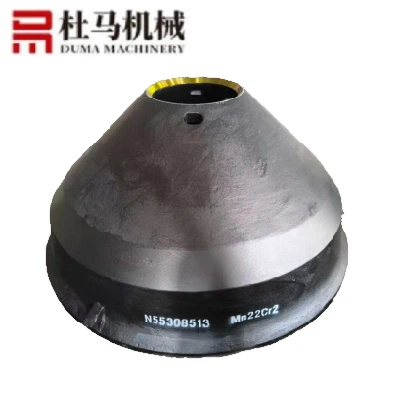
The material used to make jaw plates is crucial. Most jaw plates are made from high - manganese steel, like Mn18. Mn18 For Mobile Jaw Crusher is a popular choice because it has excellent wear resistance and can work well under high - impact conditions. The chemical composition of the steel is carefully controlled. For example, the manganese content should be within a certain range to ensure the right balance of hardness and toughness.


There are also standards for the purity of the steel. Impurities like sulfur and phosphorus can weaken the material and reduce its performance. So, suppliers usually test the raw materials to make sure they meet the required purity levels.
Manufacturing Standards
The manufacturing process of jaw plates also has its own set of standards. Casting is a common method for making jaw plates. During casting, the temperature, pouring speed, and cooling rate all need to be carefully controlled. If the temperature is too high or too low, it can lead to defects like porosity or cracks in the jaw plate.
After casting, the jaw plates go through a series of machining processes to achieve the right dimensions and surface finish. The dimensions of the jaw plate are critical because they need to fit perfectly into the rock crusher. Any deviation from the specified dimensions can cause problems with the crusher's operation.
Quality Testing Standards
Once the jaw plates are manufactured, they undergo a battery of tests. One of the most common tests is the hardness test. Hardness is an important indicator of the jaw plate's wear resistance. Suppliers use different methods to measure hardness, like the Brinell hardness test or the Rockwell hardness test.
Another important test is the impact test. This test simulates the real - world impact that the jaw plate will experience during operation. By subjecting the jaw plate to a high - energy impact, suppliers can check if it can withstand the stress without breaking or deforming.
There are also non - destructive testing methods, such as ultrasonic testing and magnetic particle testing. These tests are used to detect any internal defects in the jaw plate that may not be visible to the naked eye.
Industry Certifications
Some suppliers may choose to get their products certified by independent organizations. For example, ISO 9001 certification is a widely recognized quality management system certification. If a supplier has ISO 9001 certification, it means they have a well - established quality control system in place.
There are also industry - specific certifications. For the mining and quarrying industry, there may be certifications related to safety and performance. Having these certifications can give customers more confidence in the quality of the jaw plates.
Our Approach as a Supplier
At our company, we take quality control very seriously. We source the best raw materials and work closely with our suppliers to ensure the chemical composition and purity meet our standards. Our manufacturing process is highly controlled, and we have a team of experienced technicians who monitor every step.
We also have a state - of - the - art testing facility where we conduct a comprehensive range of tests on every jaw plate we produce. This includes hardness testing, impact testing, and non - destructive testing. Only after the jaw plates pass all these tests do we release them for sale.
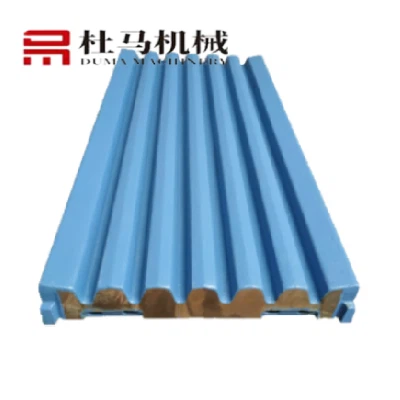
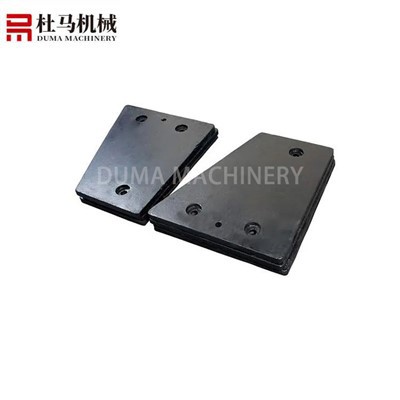
We offer two main types of jaw plates: Fixed And Moveable Jaw Plate. The fixed jaw plate is stationary, while the moveable jaw plate moves back and forth to crush the rocks. We also have Jaw Crusher Swing Stock, which is an important part of the crusher's mechanism.
Why Choose Our Jaw Plates
Our jaw plates are known for their high quality and long service life. We understand that our customers rely on our products to keep their crushers running smoothly. That's why we're constantly looking for ways to improve our quality control processes.
We also offer competitive pricing. We know that cost is an important factor for our customers, so we try to keep our prices reasonable without compromising on quality.
In addition, we provide excellent customer service. Our team is always ready to answer any questions you may have about our products, and we can offer technical support if needed.
Contact Us for Purchasing
If you're in the market for high - quality jaw plates for your rock crusher, we'd love to hear from you. Whether you're a small - scale contractor or a large - scale mining company, we have the right jaw plates for you. Contact us to start a discussion about your specific needs, and let's work together to find the best solution for your rock - crushing operations.
References
- "Materials Science and Engineering: An Introduction" by William D. Callister Jr. and David G. Rethwisch
- Industry reports on rock crusher wear parts
- Technical documents from steel manufacturers