Introduction to Crusher Operations and Jaw Dynamics
In the demanding landscapes of the mining, aggregate processing, and metal recycling industries, achieving high operational efficiency relies heavily on the reliability of size-reduction machinery. Jaw crushers serve as the primary heavy-duty equipment utilized to break down large, abrasive raw materials into manageable sizes. At the mechanical core of these machines lie the Replacement Crusher Jaws, which endure continuous, high-impact compressive forces. Understanding how these components behave under extreme operational pressures, varying thermal conditions, and prolonged abrasive wear is essential for plant managers seeking to maximize throughput, minimize unexpected downtime, and optimize overall plant productivity.
The primary crushing action is achieved through a fixed jaw plate and a movable component. When integrated with complementary systems such as the Jaw Crusher Swing Stock, these wear parts transform raw mechanical energy into immense crushing force. However, selecting the appropriate metallurgy and adhering to strict operational guidelines dictate whether a crushing plant operates at peak profitability or suffers from premature equipment failure.

Metallurgical Foundations and Material Selection
The performance and longevity of crushing components are fundamentally determined by their material composition. Traditionally, high-manganese steel is the premier choice for manufacturing heavy-duty wear parts due to its exceptional strain-hardening capacity and impact toughness. Under severe mechanical impact, the austenitic structure of manganese steel rapidly transforms, creating a hardened outer surface while maintaining a ductile, shock-absorbing inner core.
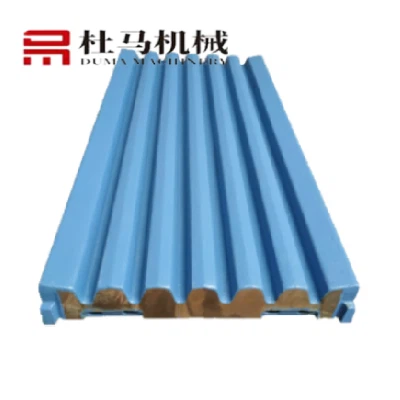
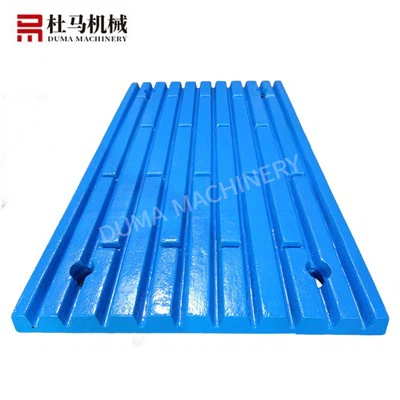
When operators select a Movable Jaw Plate for Jaw Crusher or a specialized Jaw Plate for Rock Crusher, they must evaluate the specific abrasiveness and hardness of the feed material. Standard manganese grades-such as Mn13, Mn18, or high-performance Mn22 alloys-offer varying degrees of resistance against high-impact forces. Selecting the correct alloy grade ensures that the components can absorb shock loads without suffering catastrophic structural fractures during heavy-duty primary or secondary crushing cycles.
Evaluating High-Temperature Constraints in Industrial Applications
While standard operating conditions present routine abrasive wear, certain industrial environments expose crushing components to severe thermal stress. Operating crushing machinery in high-temperature environments-such as cement production plants processing hot clinker, hot slag recycling facilities, or metal smelting operations-presents unique engineering challenges. Standard wear components often experience accelerated degradation when subjected to combined thermal and mechanical stress.
When high-manganese steel is exposed to elevated temperatures over extended periods, its internal microstructural stability can be compromised. Excessive heat alters the crystal structure of the steel, leading to a noticeable reduction in base hardness and a subsequent loss in abrasion resistance. Furthermore, continuous exposure to high temperatures results in thermal expansion. Without precise engineering tolerances and adequate thermal clearance accounted for in the initial design, this expansion causes component misalignment, severe vibration, and potential structural damage to internal machinery frames.
Advanced Engineering Solutions for Thermal Mitigation
Mitigating thermal degradation requires specialized metallurgical choices and proactive protective measures to ensure long-term equipment reliability:
Heat-Resistant Alloy Upgrades: Utilizing specialized alloy formulations designed to withstand elevated temperatures prevents premature softening and maintains mechanical integrity under extreme thermal loads.
Protective Thermal Coatings: Applying advanced thermal barrier coatings creates an effective shield between radiant heat sources and the underlying Jaw Crusher Wear Plates, reflecting thermal energy and reducing core metal temperatures.
Rigid Maintenance Protocols: Implementing rigorous inspection schedules allows operators to detect early-stage thermal cracking, surface fatigue, or fastener loosening within the initial operational window, preventing catastrophic failures.
Installation Best Practices and Structural Alignment
The operational lifespan of any wear component is heavily influenced by the precision of its initial installation. A newly fitted component must achieve a tight, secure, and parallel fit against the backing plate and machine frame. Improper alignment or uneven torque distribution during installation creates localized stress concentration points.
These stress concentrations lead to severe mechanical imbalance, excessive frame vibration, uneven wear patterns, and potential damage to supporting structures. Operators must ensure that all mounting surfaces are thoroughly cleaned of debris and old material residue prior to installation. Furthermore, checking and re-tightening mounting bolts within the first 48 hours of initial operation is critical to prevent shifting and ensure a stable, long-lasting fit.
Routine Maintenance and Inspection Strategies
Maximizing the operational efficiency of crushing plants requires a proactive maintenance regime rather than a reactive replacement approach. Routine inspections should be systematically scheduled to monitor wear progression, surface micro-cracking, and fastener stability.
Wear Tracking: Operators should regularly measure profile degradation and establish precise thresholds for component rotation or replacement. Operating with excessively worn components reduces crushing efficiency, spikes energy consumption, and lowers overall throughput.
Debris Removal: Keeping the crushing chamber clean and free of uncrushed foreign objects prevents localized jamming and abnormal impact forces that can fracture high-manganese components.
Timely Replacement: Replacing components promptly with certified Stone Crusher Jaw Plate options safeguards the mechanical integrity of the machinery and protects downstream processing units from oversized feed contamination.

Economic Impact and Cost-Benefit Analysis
In the mining and aggregate processing sectors, equipment efficiency directly dictates the bottom line. Utilizing high-quality replacement parts might require a higher initial capital investment, particularly when opting for specialized heat-resistant alloys or custom-engineered profiles. However, the true economic metric is calculated through cost-per-ton performance and the elimination of unscheduled downtime.
Premature failures and frequent maintenance stoppages result in massive losses in production capacity. By partnering with a reliable manufacturing source that provides rigorous quality control, material traceability, and precision-engineered tolerances, plant operators can significantly extend service intervals. This strategic approach ensures stable, continuous plant productivity and optimizes long-term operational profitability.
Conclusion
In summary, the performance of jaw crushing systems is inextricably linked to the quality, metallurgical suitability, and maintenance of their internal wear components. Whether operating under standard aggregate conditions or extreme high-temperature industrial environments, selecting precision-manufactured parts ensures optimal material reduction and structural safety. By combining advanced material grades, strict installation protocols, and proactive maintenance strategies, modern processing plants can achieve consistent, high-yield production while minimizing operational risks.