Do Crusher Liners Need to be Lubricated During Operation?
As a supplier of crusher liners, I often encounter questions from customers regarding the operation and maintenance of these crucial components. One frequently asked question is whether crusher liners need to be lubricated during operation. In this blog post, I will delve into this topic, exploring the science behind crusher liner operation, the role of lubrication, and the practical implications for crusher users.
Understanding Crusher Liners
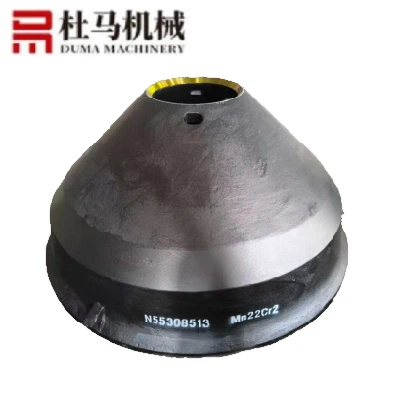
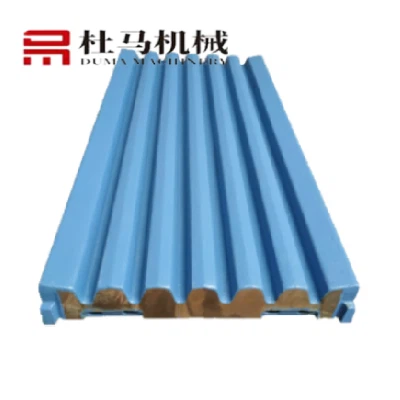
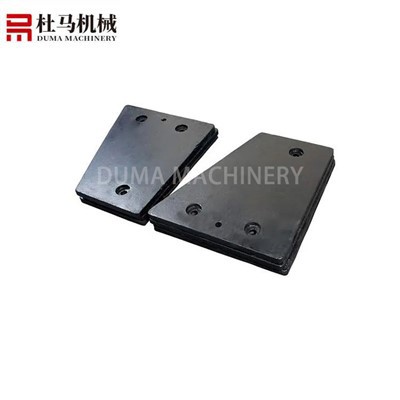
Crusher liners are essential wear parts in crushers, which are used to break down large rocks into smaller, more manageable sizes. They are typically made of high - manganese steel, chrome alloy, or other wear - resistant materials. The liners are installed inside the crusher chamber and come into direct contact with the material being crushed. There are different types of crusher liners, such as mantle liners and bowl liners in cone crushers. For more information on crusher repairs related to mantle and concave, you can visit Crusher Repairs Mantle And Concave.
The primary function of crusher liners is to protect the crusher body from wear and tear caused by the abrasive action of the crushed material. They also play a significant role in determining the shape and size of the crushed product. However, the harsh operating conditions, including high impact forces, abrasion, and heat generation, can cause significant wear on the liners over time.


The Role of Lubrication in Machinery
Lubrication is a well - established practice in machinery operation. In general, lubricants are used to reduce friction between moving parts, dissipate heat, prevent corrosion, and carry away contaminants. In engines, for example, lubricating oil forms a thin film between the pistons and the cylinder walls, reducing friction and wear, and helping to keep the engine running smoothly.
In the context of crushers, lubrication is commonly used in the crusher's moving parts such as bearings, gears, and hydraulic systems. These components require proper lubrication to ensure efficient operation, reduce wear, and extend their service life. However, when it comes to crusher liners, the situation is more complex.
Do Crusher Liners Need Lubrication?
The short answer is generally no. Crusher liners do not typically require lubrication during operation. The main reason is that the crushing process is a dry, abrasive operation. Lubricating the liners would introduce a foreign substance into the crushing chamber, which could have several negative consequences.
Firstly, lubricants can attract dust and debris, which can accumulate on the liner surface. This accumulation can interfere with the crushing process, reduce the efficiency of the crusher, and potentially cause blockages. Secondly, the presence of lubricant can change the frictional properties between the liner and the material being crushed. The crushing action relies on the friction between the liner and the rock to break it down. Adding a lubricant would reduce this friction, making it more difficult to achieve the desired crushing effect.
Moreover, most crusher liners are designed to operate under dry conditions. The materials used in their construction are selected for their wear - resistance in abrasive environments, and lubrication may not enhance their performance. In fact, it could potentially damage the liner material or reduce its wear - resistance.
However, there are some rare cases where lubrication might seem beneficial. For example, in some very high - speed or high - impact crushing operations, there could be excessive heat generation on the liner surface. In theory, a lubricant with high - temperature resistance could be used to dissipate this heat. But this is not a common practice, as there are other more effective ways to manage heat, such as improving the cooling system of the crusher or using materials with better heat - dissipation properties.
Maintaining Crusher Liners Without Lubrication
Since crusher liners do not require lubrication, proper maintenance focuses on other aspects. Regular inspection is crucial. Operators should check the liners for signs of wear, such as cracks, uneven wear patterns, or excessive thinning. Early detection of wear can prevent catastrophic failures and ensure the crusher operates at optimal efficiency.
Another important aspect is proper installation. Incorrect installation can lead to uneven wear on the liners, reducing their service life. It is essential to follow the manufacturer's installation instructions carefully. Additionally, the crusher should be operated within its specified capacity. Overloading the crusher can cause excessive stress on the liners, leading to premature wear and failure.
For those interested in cone crusher parts bowl liner, you can find more details at Cone Crusher Parts Bowl Liner. And for information on crusher parts bowl liner and concave, Crusher Parts Bowl Liner And Concave is a valuable resource.
Conclusion
In conclusion, crusher liners generally do not need to be lubricated during operation. The nature of the crushing process, which is dry and abrasive, makes lubrication unnecessary and potentially harmful. Instead, proper maintenance of crusher liners involves regular inspection, correct installation, and operating the crusher within its capacity.
As a crusher liner supplier, I am committed to providing high - quality products and expert advice to our customers. If you are in the market for crusher liners or have any questions about their operation and maintenance, I encourage you to contact us. We can offer customized solutions based on your specific crushing requirements and help you optimize the performance of your crusher.
References
- "Crushing Equipment Handbook" - A comprehensive guide on crusher technology and operation.
- Industry research papers on wear - resistant materials used in crusher liners.