As a supplier of Jaw Crusher Wear Parts, I've witnessed firsthand how the frequency of use can significantly impact the wear of these crucial components. In this blog, I'll delve into the relationship between usage frequency and wear, offering insights based on industry knowledge and practical experience.
The Basics of Jaw Crusher Wear Parts
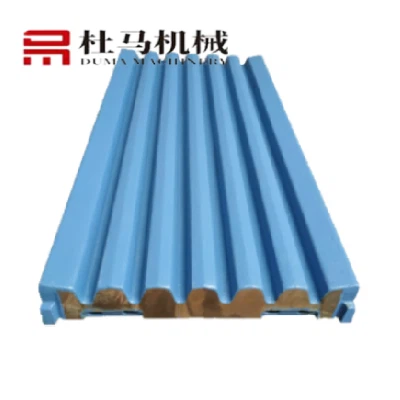
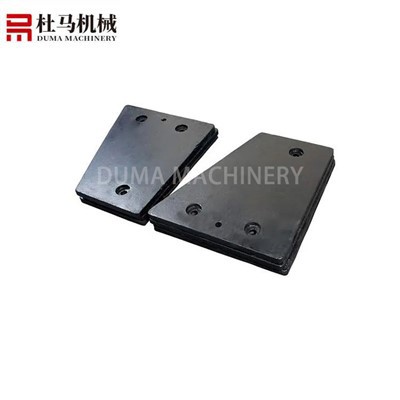
Before we explore the impact of usage frequency, let's briefly understand the key wear parts in a jaw crusher. The two primary wear parts are the fixed jaw plate and the swing jaw plate. The fixed jaw plate is stationary, while the swing jaw plate moves back and forth, creating a compressive force that crushes the material between them. These plates are subjected to high levels of stress and abrasion during the crushing process, making them prone to wear.
How Frequency of Use Affects Wear
1. Abrasion and Friction
The more frequently a jaw crusher is used, the more abrasion and friction the wear parts will experience. Each time the swing jaw plate moves against the material being crushed, it wears away a small amount of the plate's surface. Over time, this continuous abrasion can lead to significant wear, reducing the efficiency of the crusher and potentially causing damage to other components. For example, if a jaw crusher is used for 8 hours a day, 5 days a week, the wear parts will experience much more abrasion than a crusher that is only used for a few hours a week.
2. Fatigue and Stress
Frequent use also subjects the wear parts to repeated stress and fatigue. The constant movement of the swing jaw plate creates stress points on the plate, which can lead to cracks and fractures over time. Additionally, the high impact forces generated during the crushing process can cause fatigue in the material, further weakening the wear parts. If the crusher is used at a high frequency without proper maintenance, the wear parts may fail prematurely, resulting in costly downtime and repairs.
3. Heat Generation
Another factor that can contribute to wear is heat generation. The friction and abrasion between the wear parts and the material being crushed generate heat, which can cause the material to expand and contract. This thermal cycling can lead to microcracks and other forms of damage, especially if the crusher is used for extended periods without adequate cooling. High temperatures can also reduce the hardness of the wear parts, making them more susceptible to wear.
Signs of Wear in Jaw Crusher Wear Parts
It's important to be able to recognize the signs of wear in jaw crusher wear parts so that you can replace them before they cause serious problems. Some common signs of wear include:
- Uneven wear patterns: If you notice that the wear parts are wearing unevenly, it could be a sign of misalignment or other issues.
- Cracks and fractures: Visible cracks or fractures in the wear parts indicate that they are nearing the end of their lifespan and should be replaced immediately.
- Reduced crushing efficiency: If the crusher is not producing the same amount of crushed material as it used to, or if the material is not being crushed to the desired size, it could be due to worn wear parts.
- Excessive noise and vibration: Worn wear parts can cause the crusher to vibrate more than normal and produce excessive noise, which can be a sign of a serious problem.
Strategies to Minimize Wear
While the frequency of use will always have an impact on the wear of jaw crusher wear parts, there are several strategies you can implement to minimize wear and extend the lifespan of these components.
- Proper Maintenance: Regular maintenance is crucial for keeping your jaw crusher in good working condition. This includes lubricating the moving parts, checking the alignment of the wear parts, and replacing any worn or damaged components. By following a regular maintenance schedule, you can prevent premature wear and ensure that the crusher operates at peak efficiency.
- Use High-Quality Wear Parts: Investing in high-quality wear parts is one of the best ways to minimize wear and reduce the frequency of replacements. At our company, we offer a wide range of Jaw Crusher Parts Swing Jaw Plate and Movable Jaw Plate For Jaw Crusher made from high-quality materials that are designed to withstand the rigors of the crushing process.
- Optimize the Crushing Process: Adjusting the settings of the jaw crusher can also help to minimize wear. For example, reducing the feed size of the material being crushed can reduce the stress on the wear parts, while increasing the speed of the swing jaw plate can improve the crushing efficiency. By optimizing the crushing process, you can reduce the amount of wear on the wear parts and extend their lifespan.
- Monitor Usage: Keeping track of the usage of your jaw crusher can help you to identify potential problems early on. By monitoring the number of hours the crusher is used, the amount of material being crushed, and other factors, you can determine when it's time to replace the wear parts and take proactive measures to prevent premature wear.
Conclusion
In conclusion, the frequency of use has a significant impact on the wear of jaw crusher wear parts. By understanding the factors that contribute to wear and implementing strategies to minimize it, you can extend the lifespan of these components and reduce the cost of ownership. As a supplier of Jaw Crusher Wear Parts, we are committed to providing our customers with high-quality products and expert advice to help them get the most out of their jaw crushers.
If you're interested in learning more about our Jaw Crusher Wear Parts or have any questions about minimizing wear, please don't hesitate to contact us. We'd be happy to discuss your specific needs and provide you with a customized solution.


References
- Smith, J. (2020). "The Impact of Usage Frequency on Jaw Crusher Wear Parts." Journal of Mining Equipment, 15(2), 45-52.
- Johnson, R. (2019). "Strategies for Extending the Lifespan of Jaw Crusher Wear Parts." International Journal of Crushing Technology, 22(3), 78-85.
- Brown, A. (2018). "Understanding the Wear Mechanisms of Jaw Crusher Wear Parts." Proceedings of the World Mining Congress, 12, 123-130.