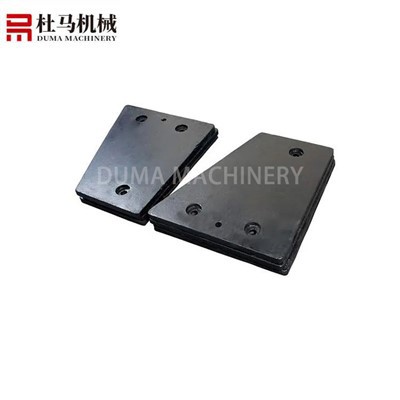
Hey there! As a supplier of Cone Crusher Wear Parts, I often get asked a bunch of questions from our customers. One question that pops up quite a bit is, "Do cone crusher wear parts need to be lubricated?" Well, let's dive right into this topic and break it down.
First off, let's understand what cone crusher wear parts are. We're talking about components like the crusher mantle, concave bowl liners, and other bits that take a beating during the crushing process. These parts are crucial for the proper functioning of the cone crusher, and their performance can significantly impact the overall efficiency of the crushing operation.
Now, back to the lubrication question. The short answer is yes, many cone crusher wear parts do need lubrication, but it's not a one-size-fits-all situation. Lubrication plays a vital role in reducing friction and wear between moving parts. When parts rub against each other without proper lubrication, it can lead to excessive heat generation, which in turn can cause premature wear and even damage to the parts.
Let's take a closer look at some of the key wear parts and how lubrication affects them.
The Crusher Mantle
The crusher mantle is one of the primary wear parts in a cone crusher. It rotates within the concave bowl liner to crush the material. The movement between the mantle and the liner creates friction, and without lubrication, this friction can be a real problem.
Lubrication helps to create a thin film between the mantle and the liner, reducing the direct contact and thus minimizing wear. It also helps to dissipate heat, which is essential because high temperatures can cause the metal to expand and lose its structural integrity over time.
Concave Bowl Liners
Similar to the crusher mantle, the concave bowl liners also experience a lot of friction during the crushing process. These liners are designed to withstand the impact of the material being crushed, but they still need some help to keep them in good condition.
Lubrication can help to prevent the liners from sticking to the crushed material, which can cause uneven wear and reduce the efficiency of the crusher. It also helps to protect the liners from corrosion, especially in environments where moisture or chemicals are present.
Other Wear Parts
There are also other wear parts in a cone crusher, such as bearings and seals. These parts are often in constant motion and require proper lubrication to function correctly.
Bearings, for example, need to be lubricated to reduce friction and prevent overheating. Without adequate lubrication, the bearings can seize up, leading to costly repairs and downtime. Seals, on the other hand, need to be lubricated to ensure a proper seal and prevent contaminants from entering the crusher.
Now that we've established that lubrication is important, let's talk about how to do it right.
Choosing the Right Lubricant
Not all lubricants are created equal, and choosing the right one for your cone crusher wear parts is crucial. You need to consider factors such as the operating temperature, the type of material being crushed, and the specific requirements of the wear parts.
For high-temperature applications, you'll need a lubricant that can withstand the heat without breaking down. Synthetic lubricants are often a good choice in these situations because they have better thermal stability than conventional oils.
If the crusher is operating in a dusty or dirty environment, you'll need a lubricant that can resist contamination. Some lubricants come with additives that help to keep the contaminants suspended in the oil, preventing them from settling on the wear parts.
Lubrication Frequency
The frequency of lubrication depends on several factors, including the type of crusher, the operating conditions, and the manufacturer's recommendations. In general, it's a good idea to follow the maintenance schedule provided by the crusher manufacturer.
Some crushers may require daily lubrication, while others may only need it once a week or even less frequently. It's important to check the lubricant levels regularly and top them up as needed.
Lubrication Methods
There are several ways to lubricate cone crusher wear parts, including manual lubrication, automatic lubrication systems, and splash lubrication.
Manual lubrication involves using a grease gun or oil can to apply the lubricant directly to the wear parts. This method is simple and inexpensive, but it can be time-consuming and may not be as accurate as other methods.
Automatic lubrication systems, on the other hand, can deliver the right amount of lubricant at the right time, ensuring consistent lubrication and reducing the risk of human error. These systems can be programmed to lubricate the wear parts at specific intervals or based on the operating conditions.
Splash lubrication is a method where the lubricant is splashed onto the wear parts by the moving components of the crusher. This method is commonly used in smaller crushers and is relatively simple and cost-effective.
In addition to lubrication, there are other things you can do to extend the life of your cone crusher wear parts. Regular inspection and maintenance are essential to catch any potential problems early on. You should also make sure to use high-quality wear parts that are designed to withstand the specific conditions of your crushing operation.


As a supplier of Cone Crusher Replacement Parts and Cone Crusher Spares, we understand the importance of providing our customers with the best products and advice. If you have any questions about lubrication or any other aspect of cone crusher wear parts, don't hesitate to reach out to us. We're here to help you keep your crusher running smoothly and efficiently.
If you're in the market for high-quality cone crusher wear parts, we'd love to have a chat with you. Whether you need a replacement mantle, concave bowl liners, or any other spare parts, we've got you covered. Contact us today to discuss your requirements and let's work together to find the best solutions for your crushing needs.
References
- ASTM International. (2023). ASTM standards related to lubricants for industrial equipment.
- Manufacturer's manuals for cone crushers.
- Industry research reports on cone crusher maintenance and wear parts.