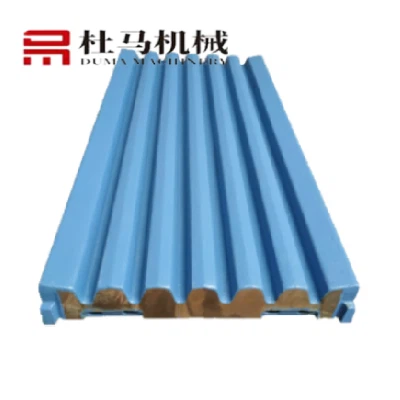
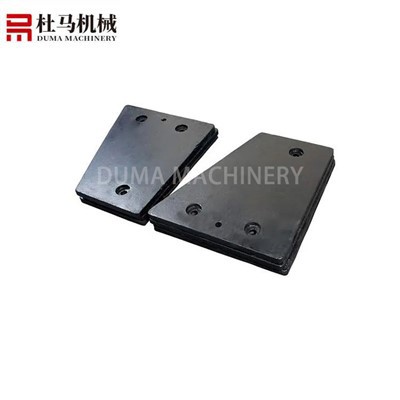
Hey there! I'm a supplier of Jaw Swing Plates, and today I wanna chat about the chemical stability properties of these essential pieces of equipment.
First off, let's understand what a Jaw Swing Plate is. In a jaw crusher, the swing jaw plate plays a crucial role in the crushing process. It moves back and forth, applying force to the materials fed into the crusher, breaking them down into smaller pieces. It's a high - stress component that's constantly in contact with various types of rocks and ores, so its chemical stability is super important.
Key Chemical Elements and Their Impact on Stability
The chemical composition of a Jaw Swing Plate typically includes several key elements. Here are some of the main ones and how they contribute to the plate's chemical stability.
Iron (Fe)
Iron is the base metal in most Jaw Swing Plates. It provides the basic structural integrity of the plate. However, iron is prone to oxidation, which can lead to rusting. When exposed to moist environments, iron reacts with oxygen in the air to form iron oxides (rust). Rust weakens the metal structure and can cause premature wear and failure of the plate. To mitigate this, other alloying elements are added to enhance the plate's resistance to oxidation.
Carbon (C)
Carbon is added to the iron to increase its hardness. A higher carbon content generally results in a harder plate, which is better at withstand the abrasion caused by the crushing process. However, too much carbon can make the plate brittle. In terms of chemical stability, carbon can also influence the formation of carbides within the metal structure. These carbides contribute to the wear resistance of the plate, but they can also affect the plate's corrosion resistance if not properly controlled.
Chromium (Cr)
Chromium is a game - changer when it comes to improving the chemical stability of Jaw Swing Plates. It forms a thin, protective oxide layer on the surface of the plate, known as a passive layer. This layer acts as a barrier, preventing oxygen and other corrosive substances from reaching the metal underneath. As a result, the plate becomes more resistant to oxidation and corrosion. Chromium also helps to increase the hardness and toughness of the plate, making it more durable in the harsh crushing environment.
Manganese (Mn)
Manganese is another important alloying element. It helps to improve the hardenability of the plate, making it easier to heat - treat and achieve the desired hardness. Manganese also combines with sulfur in the metal, reducing the formation of harmful sulfide inclusions. These inclusions can cause cracking and reduce the chemical stability of the plate. By removing sulfur, manganese enhances the overall quality and stability of the Jaw Swing Plate.
Environmental Factors Affecting Chemical Stability
The chemical stability of a Jaw Swing Plate can be significantly influenced by the operating environment. Here are some of the common environmental factors:
Moisture
As mentioned earlier, moisture is a major enemy of iron - based metals like Jaw Swing Plates. High humidity or direct contact with water can accelerate the oxidation process. In mines or quarries where water is often used for dust suppression, the plates are at a higher risk of corrosion. Suppliers, like us, need to ensure that the plates have sufficient corrosion - resistant properties to withstand these wet conditions.
Chemicals in the Ore
Different types of ores contain various chemicals. Some ores may be acidic, while others may be alkaline. These chemicals can react with the surface of the Jaw Swing Plate, causing chemical corrosion. For example, acidic ores can dissolve the protective oxide layer on the plate, exposing the underlying metal to further corrosion. Mineralogical analysis of the ores being crushed can help in selecting the right plate material with appropriate chemical stability.
Temperature
Extreme temperatures can also affect the chemical stability of Jaw Swing Plates. High temperatures can accelerate chemical reactions, leading to faster oxidation and corrosion. On the other hand, low temperatures can make the plate more brittle, increasing the risk of cracking. The alloying elements in the plate need to be carefully selected to ensure that it can maintain its chemical stability across a wide range of temperatures.
Importance of Chemical Stability for a Jaw Swing Plate Supplier
As a supplier of Jaw Swing Plates, we understand the significance of chemical stability. It directly impacts the quality and performance of our products.
A plate with good chemical stability has a longer service life. It can withstand the harsh conditions of the crushing environment without undergoing significant chemical degradation. This means fewer replacements for our customers, which saves them money in the long run.
We also strive to provide plates that are adaptable to different operating environments. Whether it's a wet, acidic, or high - temperature environment, our plates need to maintain their integrity. This requires continuous research and development to optimize the chemical composition of our Jaw Swing Plates.


Where to Find More Resources
If you're interested in learning more about Jaw Swing Plates and related products, you can check out these helpful links:
Let's Talk Business
If you're in the market for high - quality Jaw Swing Plates with excellent chemical stability, don't hesitate to reach out. We're here to discuss your specific requirements and provide the best solutions for your crushing operations. Whether you need a small batch for a trial or a large - scale supply, we've got you covered.
References
- Smith, J. (2020). "Metallurgy of Crusher Wear Parts." Mining Journal.
- Johnson, A. (2019). "Chemical Stability in Industrial Metals." Materials Science Review.