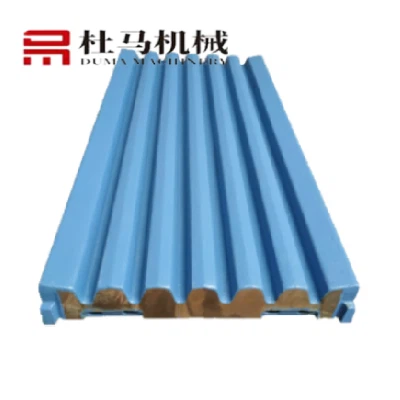
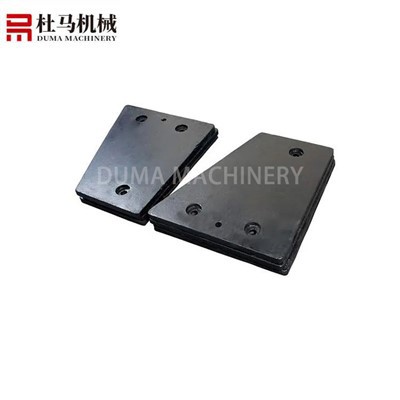
As a supplier of Cone Crusher Bowl Liners, I've witnessed firsthand the widespread use of these components in the mining, quarrying, and construction industries. Cone crushers are essential for reducing large rocks into smaller, more manageable sizes, and the bowl liners play a crucial role in this process. However, it's important to understand the environmental impacts associated with using cone crusher bowl liners to make informed decisions about their use and disposal.


1. Raw Material Extraction
The production of cone crusher bowl liners begins with the extraction of raw materials, primarily metals such as manganese steel, high - chrome iron, and other alloy steels. Mining these metals has significant environmental consequences.
- Deforestation and Habitat Destruction: Mines often require large areas of land for excavation and infrastructure development. This can lead to deforestation, which disrupts ecosystems and displaces wildlife. For example, in some regions where manganese is mined, forests are cleared to make way for mining operations, destroying the habitats of countless plant and animal species.
- Soil Erosion and Water Pollution: Mining activities can cause soil erosion, as the removal of vegetation and topsoil exposes the land to the elements. Rainwater can then carry sediment and heavy metals into nearby water bodies, polluting rivers, lakes, and groundwater. High - chrome iron mining, for instance, can release chromium into the environment, which is a toxic substance that can harm aquatic life and pose risks to human health.
2. Energy Consumption in Production
The manufacturing process of cone crusher bowl liners is energy - intensive.
- Melting and Casting: Metals need to be melted at extremely high temperatures to form the desired shape of the bowl liners. This melting process typically relies on fossil fuels such as coal or natural gas, which release large amounts of greenhouse gases (GHGs) into the atmosphere. For example, in a steel - casting foundry, the energy required to melt manganese steel can contribute significantly to carbon dioxide emissions.
- Machining and Finishing: After casting, the bowl liners undergo machining and finishing processes, which also consume energy. These processes involve the use of various machines, such as lathes and grinders, that run on electricity. If the electricity is generated from non - renewable sources, it further adds to the environmental footprint of the production process.
3. Transportation
Once the cone crusher bowl liners are manufactured, they need to be transported to the end - users.
- Fuel Consumption and Emissions: Transportation by trucks, trains, or ships consumes large amounts of fuel. Diesel - powered trucks, which are commonly used for transporting heavy industrial components like bowl liners, emit pollutants such as nitrogen oxides (NOx), particulate matter (PM), and carbon monoxide (CO). These emissions contribute to air pollution, smog formation, and respiratory problems in humans.
- Traffic Congestion and Infrastructure Wear: The transportation of heavy goods can also lead to traffic congestion, especially in areas near ports or industrial zones. Additionally, the weight of the trucks carrying the bowl liners can cause wear and tear on roads and bridges, requiring more frequent maintenance and repair, which in turn has its own environmental impacts.
4. Use in Cone Crushers
During their use in cone crushers, bowl liners can have several environmental implications.
- Noise Pollution: Cone crushers are noisy machines, and the operation of crushers with bowl liners can generate high - decibel noise levels. This noise can have a negative impact on the well - being of nearby communities and wildlife. Prolonged exposure to high - level noise can cause hearing loss in humans and disrupt the natural behavior of animals, such as their mating, feeding, and communication patterns.
- Dust Generation: As the rocks are crushed, a significant amount of dust is generated. The dust can contain harmful substances such as silica, which is a known carcinogen. When inhaled, silica dust can cause serious respiratory diseases, including silicosis. Moreover, the dust can settle on vegetation, reducing photosynthesis and affecting plant growth. It can also contaminate water sources if it is carried by wind or rain.
5. End - of - Life Disposal
When cone crusher bowl liners reach the end of their useful life, proper disposal is crucial to minimize environmental impacts.
- Landfill Issues: If bowl liners are disposed of in landfills, they take up valuable space. Moreover, some of the metals in the liners can leach into the soil and groundwater over time, potentially causing pollution. For example, manganese can contaminate water supplies, and high - chrome iron can release toxic chromium compounds.
- Recycling Challenges: While many of the metals used in bowl liners are recyclable, the recycling process can be complex and energy - intensive. Separating the different metals and removing impurities requires advanced technologies and significant energy inputs. In some cases, the cost and difficulty of recycling may lead to a lower recycling rate, resulting in more waste being sent to landfills.
Mitigation Strategies
Despite these environmental impacts, there are several strategies that can be employed to reduce the negative effects of using cone crusher bowl liners.
- Sustainable Sourcing: As a supplier, we can source raw materials from mines that adhere to strict environmental and social standards. This includes mines that implement reforestation programs, use water - recycling systems, and minimize their carbon footprint.
- Energy - Efficient Manufacturing: We can invest in energy - efficient technologies in our manufacturing processes, such as using electric arc furnaces that are more energy - efficient than traditional coal - fired furnaces. Additionally, we can optimize our production schedules to reduce idle time and energy waste.
- Improved Transportation: By using more fuel - efficient vehicles and optimizing transportation routes, we can reduce the fuel consumption and emissions associated with transporting bowl liners. We can also explore the possibility of using alternative transportation modes, such as rail or waterways, which are generally more environmentally friendly.
- Noise and Dust Control: End - users can install noise - reducing enclosures around cone crushers and use dust suppression systems, such as water sprays, to minimize the impact of noise and dust on the environment.
- Recycling Initiatives: We can encourage and support the recycling of used bowl liners by working with recycling facilities and providing incentives to customers to return their used liners. This can help reduce the amount of waste sent to landfills and conserve natural resources.
Conclusion
As a Cone Crusher Bowl Liner supplier, I am committed to understanding and addressing the environmental impacts associated with our products. By implementing sustainable practices throughout the entire life cycle of the bowl liners, from raw material extraction to end - of - life disposal, we can minimize our environmental footprint.
If you are in the market for high - quality cone crusher bowl liners and are interested in learning more about our sustainable product offerings, please feel free to reach out to us. We are more than happy to discuss your specific needs and how we can work together to achieve your crushing goals while being environmentally responsible. You can also explore more about our related products such as Crusher Repairs Mantle And Concave, Steel Casting Mantle And Concave, and Crusher Parts Mantle And Bowl Liner.
References
- "Environmental Impacts of Mining." United Nations Environment Programme.
- "Energy Efficiency in the Steel Industry." International Energy Agency.
- "Noise Pollution and Its Effects on Human Health and Wildlife." World Health Organization.
- "Recycling of Metals: Challenges and Opportunities." Journal of Materials Recycling and Waste Management.