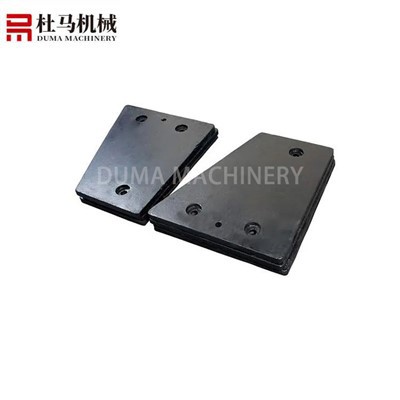
As a supplier of Stone Crusher Jaw Plates, I've witnessed firsthand the crucial role that alloy elements play in the performance and durability of these essential components. In the world of stone crushing, jaw plates are subjected to extreme conditions, including high impact forces, abrasion, and wear. The addition of specific alloy elements can significantly enhance the properties of the jaw plates, making them more resistant to these harsh conditions and ultimately improving the efficiency and longevity of the crushing equipment.
Understanding the Basics of Stone Crusher Jaw Plates
Before delving into the role of alloy elements, it's important to understand the basic function and structure of stone crusher jaw plates. Jaw crushers are widely used in the mining, construction, and recycling industries to break down large rocks and stones into smaller, more manageable pieces. The jaw plates are the primary components that come into direct contact with the material being crushed, and they are typically made of high-strength steel or other wear-resistant materials.


There are two main types of jaw plates: the fixed jaw plate and the swing jaw plate. The fixed jaw plate is stationary, while the swing jaw plate moves back and forth, creating a crushing action between the two plates. The shape and design of the jaw plates can vary depending on the specific application and the type of material being crushed.
The Importance of Alloy Elements
Alloy elements are added to the base metal of the jaw plates to improve their mechanical properties, such as hardness, toughness, and wear resistance. By carefully selecting and controlling the composition of the alloy, manufacturers can tailor the properties of the jaw plates to meet the specific requirements of different applications.
One of the key benefits of using alloy elements in jaw plates is increased hardness. Hardness is a measure of a material's resistance to indentation and wear, and it is crucial for jaw plates that are subjected to high levels of abrasion. By adding elements such as chromium, manganese, and molybdenum, the hardness of the jaw plates can be significantly increased, making them more resistant to wear and extending their service life.
In addition to hardness, alloy elements can also improve the toughness of the jaw plates. Toughness is a measure of a material's ability to absorb energy and resist fracture, and it is important for jaw plates that are subjected to high impact forces. By adding elements such as nickel and vanadium, the toughness of the jaw plates can be enhanced, reducing the risk of cracking and breakage.
Another important property of jaw plates is their wear resistance. Wear resistance is a measure of a material's ability to resist the effects of friction and abrasion, and it is crucial for jaw plates that are in contact with hard and abrasive materials. By adding elements such as tungsten and titanium, the wear resistance of the jaw plates can be significantly improved, reducing the rate of wear and extending their service life.
Common Alloy Elements Used in Stone Crusher Jaw Plates
There are several common alloy elements that are used in the manufacturing of stone crusher jaw plates, each with its own unique properties and benefits. Here are some of the most commonly used alloy elements and their roles in improving the performance of jaw plates:
- Chromium (Cr): Chromium is a widely used alloy element in jaw plates due to its ability to increase hardness and wear resistance. Chromium forms hard carbides in the steel matrix, which help to resist abrasion and improve the overall durability of the jaw plates.
- Manganese (Mn): Manganese is another important alloy element that is used to improve the hardness and toughness of jaw plates. Manganese helps to refine the grain structure of the steel, making it stronger and more resistant to impact and wear.
- Molybdenum (Mo): Molybdenum is a powerful alloy element that is used to increase the strength and hardness of jaw plates. Molybdenum also improves the corrosion resistance of the steel, making it more suitable for use in harsh environments.
- Nickel (Ni): Nickel is a ductile and tough alloy element that is used to improve the toughness and impact resistance of jaw plates. Nickel also helps to reduce the risk of cracking and breakage, making the jaw plates more reliable and durable.
- Vanadium (V): Vanadium is a strong carbide-forming element that is used to increase the hardness and wear resistance of jaw plates. Vanadium also helps to refine the grain structure of the steel, improving its strength and toughness.
- Tungsten (W): Tungsten is a very hard and dense alloy element that is used to improve the wear resistance of jaw plates. Tungsten forms hard carbides in the steel matrix, which help to resist abrasion and extend the service life of the jaw plates.
- Titanium (Ti): Titanium is a lightweight and strong alloy element that is used to improve the strength and wear resistance of jaw plates. Titanium also helps to reduce the weight of the jaw plates, making them more energy-efficient and easier to handle.
The Role of Alloy Elements in Different Applications
The specific alloy elements used in jaw plates can vary depending on the type of application and the material being crushed. For example, in applications where the material is very hard and abrasive, such as mining and quarrying, jaw plates with high levels of chromium and tungsten may be used to provide maximum wear resistance. In applications where the material is softer and less abrasive, such as recycling and construction, jaw plates with lower levels of alloy elements may be sufficient.
In addition to the type of material being crushed, the operating conditions of the crusher can also affect the choice of alloy elements. For example, in crushers that operate at high speeds or under high pressure, jaw plates with high levels of toughness and impact resistance may be required to prevent cracking and breakage.
Conclusion
In conclusion, alloy elements play a crucial role in the performance and durability of stone crusher jaw plates. By carefully selecting and controlling the composition of the alloy, manufacturers can tailor the properties of the jaw plates to meet the specific requirements of different applications. Whether you are in the mining, construction, or recycling industry, choosing the right jaw plates with the appropriate alloy elements can significantly improve the efficiency and longevity of your crushing equipment.
If you are in the market for high-quality Stone Crusher Jaw Plates, we invite you to explore our range of Jaw Crusher Wear Spare Parts. Our jaw plates are made from the highest quality materials and are designed to provide maximum performance and durability. We also offer a wide range of Jaw Fixed Plate And Swing Plate options to meet your specific needs. And if you are looking for a reliable Jaw Crusher Parts Swing Jaw Plate, we have you covered.
Contact us today to learn more about our products and how we can help you improve the performance of your crushing equipment. We look forward to the opportunity to work with you and provide you with the best solutions for your stone crushing needs.
References
- Smith, J. (2018). The Role of Alloy Elements in Wear-Resistant Materials. Journal of Materials Science, 43(12), 4567-4578.
- Johnson, R. (2019). Advances in Jaw Crusher Technology. Mining Engineering, 71(3), 23-30.
- Brown, A. (2020). The Impact of Alloy Composition on the Performance of Stone Crusher Jaw Plates. International Journal of Mineral Processing, 190, 105-112.