


Hammer mills are robust and essential equipment in many industries, particularly in mining and quarrying for size reduction. However, excessive vibration is a common issue that can lead to decreased efficiency, increased wear, and even catastrophic failure. Understanding the root causes of this vibration is crucial for maintaining optimal operation and reducing downtime.
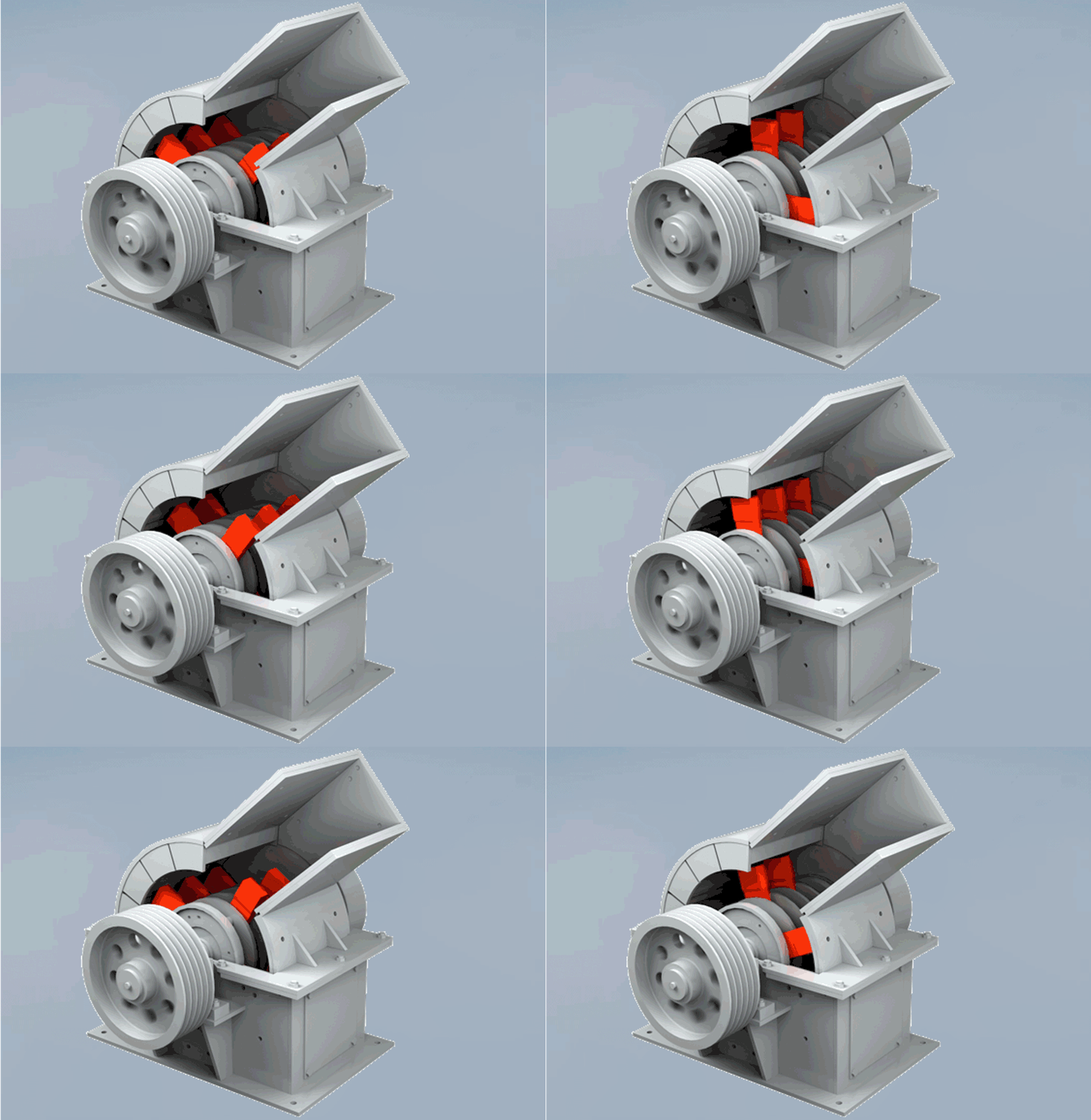
Common Causes of Vibration
1.Unbalanced Rotor
The rotor is the heart of the hammer mill. An unbalanced rotor is the most frequent cause of severe vibration. This can occur due to uneven wear of the hammers, breakage of one or more hammers, or improper installation of new hammers. When the mass distribution is uneven, the rotor spins off-center, creating significant centrifugal force and vibration.

2. Worn or Damaged Bearings
Bearings support the rotor shaft. Over time, they can wear out, become misaligned, or fail due to inadequate lubrication or contamination. Worn bearings introduce play and instability, allowing the rotor to move excessively, which manifests as vibration.
3. Misalignment
Misalignment between the motor drive and the hammer mill's rotor shaft can generate substantial vibration. This misalignment can be angular, parallel, or a combination of both, putting extra stress on the couplings and bearings.
4. Loose Components
Foundation bolts, bearing housing bolts, or even the fasteners holding the crusher housing together can become loose over time due to the constant intense forces. Loose components create rattling and impact forces, contributing to the overall vibration levels.
5. Issues with Hammers and Rotor
Beyond imbalance, other hammer-related issues can cause vibration. Using mismatched hammers, having hammers with severely uneven wear, or a damaged rotor disk can all disrupt the smooth rotation of the assembly. This is where the quality of your Quarry Hammer Crusher Wear Parts becomes critical. Inferior or mismatched parts can accelerate wear and imbalance.

How to Minimize Vibration and Ensure Longevity
Regular maintenance is key to preventing vibration issues. This includes:
- Routine Inspection and Balancing: Regularly check the hammers and rotor for wear and damage. Rebalance the rotor, especially after replacing hammers or other Quarry Hammer Crusher Wear Parts.
- Bearing Maintenance: Ensure bearings are properly lubricated and monitor them for signs of wear or failure. Replace them promptly when needed.
- Check Alignment and Tightness: Periodically verify the alignment between the motor and the mill. Tighten all bolts and fasteners to the manufacturer's specifications.
Choose Duma for Reliable Crusher Wear Parts
To minimize vibration and maximize the operational life of your hammer mill, it's essential to use high-quality, precisely manufactured wear parts. Duma is a comprehensive company integrating R&D, production and sales of mining machinery wear-resistant parts. Our products include Cone Crusher Wear Parts, Jaw Crusher Wear Parts, Mining Gyratory Crusher Wear Parts, Stone Impact Crusher Parts, Quarry Hammer Crusher Wear Parts. We understand that consistent part quality is vital for the smooth and balanced operation of your equipment. By choosing Duma parts, you invest in durability, performance, and reduced maintenance costs.
By addressing the root causes of vibration and partnering with a trusted supplier like Duma, you can ensure your hammer mill runs smoothly, efficiently, and reliably for years to come.


